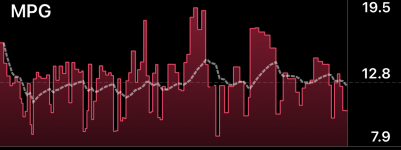
“Drive it harder” is never the fix for this issue, and in many ways can actually increase the problem. “Flooring it from every stop light” is definitely not helping, but might actually be contributing to increased soot-loading. These trucks need to see moderate to heavy loading for long durations in order for passive regeneration to take place. When active regeneration is occurring, the fuel being pumped into the exhaust system is used to increase the temp in the DPF to clean the soot out. In either case, constant sustained reasonable RPMs is what is best. Regeneration, wether active or passive, is all about temperature, time, and engine efficiency. Wildly varying engine rpm, demanding excessive fuel for “flooring it” and other attempts to “drive it hard” really don’t contribute to helping your situation. That’s lousy advice from a dealership and a classic example of how misinformed / uninformed some of these dealerships are.
There’s a method for diagnosing this problem and they’re clearly not following it. I’m sure they scanned the truck for DTCs. What codes were present? Only P2459? Is the truck currently updated with the latest software flashes / program payloads / TSB’s etc?
Air filter is step one. If you’re running a stock intake, you need the correct air filter in the box. Mopar 53034051AB or Fleetguard AF27684. If you have that, move on. If not, change that first.
Charge air leaks and exhaust leaks. Any sign of a boost leak on the engine? Clamps, hoses, tubes, gasketed surfaces, and the intercooler itself need to be checked. Exhaust system leaks can also cause this issue.
Fuel system issues can cause this problem also. Are you running good quality fuel filters and changing them regularly as needed / recommended? Any codes in the pcm about fuel delivery issues? Any sign of fuel in the engine oil? Leaky injectors can cause issues with the emissions system.
Turbocharger issues. Any sign of a low boost scenerio? Any codes about turbocharger not functioning as intended?
Did they scan the truck to see what the estimated soot load is in the DPF when you brought it in? Did they perform a stationary regeneration to see if it would clean itself out? What was the estimated soot load after a successful parked regeneration? Are you getting errant readings from the DPF differential pressure sensor? Are the sensors clean? Any sign of a visible obstruction in the DOC / DPF?
Seems like some dealers see P2459 and either like to blame it on the customer, or make up excuses and run away from the work. It is not an easy one to diagnose due to the complexity of the entire system and all the different variables that can cause or be contributing factors to the regeneration frequency issue. In any event, the dealer you’re currently using doesn’t seem to either want to handle the problem for you, or they have a serious lack of understanding of how these systems function and must be diagnosed.
“Drive it harder” is almost never the answer.
The emissions intervention strategies on these trucks are designed in such a way as to make sure the DPF gets cleaned out, no matter how the truck is used….provided everything is functioning as intended. That’s not to say it’s perfect, as there are many things a user can do to aggravate emissions issues (excessive idling, short-tripping, etc.) but generally speaking if you’re even moderately “using” the truck, you shouldn’t have any issues. I’ve owned several stock emissions Cummins trucks as daily drivers and have logged well over 100k in mileage with zero emissions related issues. (One faulty def injector on my current 2022 that failed within the first few thousand miles).
This problem is extremely common on 2022’s and now 2023’s it seems.