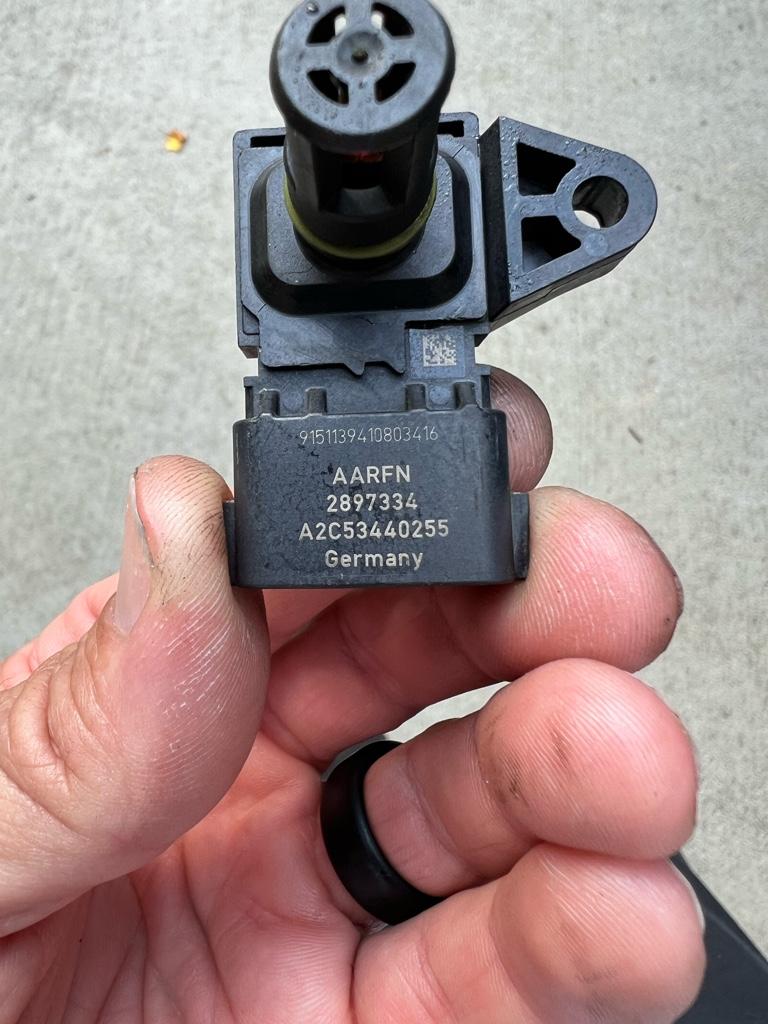

Very true. But here’s the thing, there are trucks experiencing the exact same DTC’s, symptoms, etc prior to having Y43 completed. Many of which go in under the assumption that Y43 will fix the issue. When they leave with the update completed, nothing changes and the truck continues to operate the exact same way. I’m not saying the software flash doesn’t change some parameters, it likely does, but whatever it changes, I don’t believe that it would cause an instant regeneration issue post-update. My guess is these trucks are simply reaching the point where the issue “starts”. My own 2022 did this exact thing. It was 100% fine for nearly 33,000 miles. Regenerated only on the 24 hour schedule. Never missed a beat. On 6/27/23 it initiated a regeneration with 1,053 miles since last one and 24 engine hours. On 7/7/23 it initiated a regeneration with only 328 miles and 9 hours since last. Never to recover from that for months until I switched fuel sources and stopped using additive. It’s now on the mend again after a lot of documentation and experimenting on my part. These truck can clearly change “overnight”.Part of the recall is a software update so it's possible there is more to the software update than just adding the sensor to the software. I'm sure the software update will bring the software to the most recent version which may be why some are having regen issues after the update. I'm 100% sure that there is more to these regen issues than just using the wrong air filter or diving style. Programing/sensor tolerance must also be part of this.
I also think where the air is drawn into the filter plays into this. The air intake is between the shutters and the radiator. Seems that this could cause hot engine compartment air to enter the filter housing at times.
Jay