What's new
Ram Heavy Duty Forum

Register a free account today to become a member! Once signed in, you'll be able to participate on this site by adding your own topics and posts, as well as connect with other members through your own private inbox!

That diesel SOUND!!

Hey guys, did I forget to mention at the beginning of this thread that I just wondered if I could make my new truck a bit louder but stay legal and maybe just hear the turbo whistle?
S&B cold air intake
 
Not being a diesel guy myself I probably don't have a valid comment on this thread. BUT - I have been behind a couple big pickups running diesels (don't know the brands but probably 3/4 or 1 tons) that sounded like jet engines spinning up every time they accelerated; it was an extremely high-pitched noise that ramped up to what seemed like 600db when the dude touched his accelerator then and immediately bled off as he moved ahead. Both those times we were in heavy stop-and-go traffic and I was right behind them. It darn near drove me crazy - the high pitch jet screaming noise. I've got pretty serious tinnitus and the diesel-jet noise was killing me, and I couldn't get away. At one point when the traffic was stopped again, I felt like jumping outa my old Dakota running up to the diesel driver and begging him to pull outa line and off the road. It was that obnoxious. But, I probably woulda got my butt kicked. (I'm almost 70 and not as tolerant of scrambling as I used to be.) Ha ha. Anyway, eventually the traffic thinned out and he sped away, and the world came back to normal again.

By the way for you diesel guys - what in God's name is on those engines that makes it sound like an F-16 engine spinning up? And is that supposed to be cool?
The sound may be coming from an ailment called tiny manhood syndrome.
 
Hello all. My new 3500 Limited with a CTD HO is going to be here on 3/10. Can't wait to own a diesel again!

A little back ground. I spent a lot of time in the EU for work from 2001 - 2005. I was always amazed to see how many miles (km) the diesel cars and trucks had on them over there. This made me want to purchase a diesel as my perception was that these cars last a long time. So, in 2010 I bought a brand new BMW X5 diesel. This is right after the new EPA standards for diesels were implemented. Thus, my X5 was one of the early adopters of the DPF, EGR, SCR, DEF, etc. My goal was to drive it at least 200k miles before I even considered replacing it. Well, fast-forward 7 years to the 100,000 mile mark and the car barely ran. Honestly, I was barely able to get it to the dealer lot as a trade-in for my next vehicle. Right before this, I had taken it to a BMW mechanic and asked him what was going on. He told me this was caused by the new emission standards set by the EPA. All that Diesel emissions equipment had drastically reduced the life of the engine. The DPF was shot and needed to be replaced, not a cheap procedure. The engine had massive amounts of carbon buildup from the stupid EGR valve shoving dirty air back into the intake. DEF was caked all over the exhaust system. When I learned about this, my question was, what the hell was the EPA thinking mandating all this emissions crap??? They essentially ruined a car that would have easily hit double or triple the mileage had the emissions equipment been deleted. Not to mention the massive improvement in gas mileage! It was at that moment that I swore to delete all emissions equipment from the next diesel I purchase.

So, to all you environmentalists out there, what is the impact of mandating emissions equipment that cuts the useful life of a diesel by 75%? Because that's what I experienced first hand. It is however, a great way to force people to buy more cars! I heard an expert once say, in the automotive industry, the worst thing for the environment is the purchase of new cars. Well the EPA has essentially ensured this will happen far more often with these stupid emissions standards/controls.

This feels like a scam to me... More government overreach for the purpose of driving big auto profits perhaps?

Anyway, that was my experience from a 2010 model year diesel BMW. Perhaps the emissions tech has improved to not reduce engine life so much. I pray that this is the case!

 
Last edited:
Exactly. Any time the government comes to help I raise an eyebrow. Many of these people don’t have any common sense. They are game players and the better they play the higher up the ladder they get. Our grand-puba up here in Canaidianstine has never worked a day in his life! The privileged tend to piss on everyone at the bottom of the castle walls and guess where most of us stand.
 
Hello all. My new 3500 Limited with a CTD HO is going to be here on 3/10. Can't wait to own a diesel again!

A little back ground. I spent a lot of time in the EU for work from 2001 - 2005. I was always amazed to see how many miles (km) the diesel cars and trucks had on them over there. This made me want to purchase a diesel as my perception was that these cars last a long time. So, in 2010 I bought a brand new BMW X5 diesel. This is right after the new EPA standards for diesels were implemented. Thus, my X5 was one of the early adopters of the DPF, EGR, SCR, DEF, etc. My goal was to drive it at least 200k miles before I even considered replacing it. Well, fast-forward 7 years to the 100,000 mile mark and the car barely ran. Honestly, I was barely able to get it to the dealer lot as a trade-in for my next vehicle. Right before this, I had taken it to a BMW mechanic and asked him what was going on. He told me this was caused by the new emission standards set by the EPA. All that Diesel emissions equipment had drastically reduced the life of the engine. The DPF was shot and needed to be replaced, not a cheap procedure. The engine had massive amounts of carbon buildup from the stupid EGR valve shoving dirty air back into the intake. DEF was caked all over the exhaust system. When I learned about this, my question was, what the hell was the EPA thinking mandating all this emissions crap??? They essentially ruined a car that would have easily hit double or triple the mileage had the emissions equipment been deleted. Not to mention the massive improvement in gas mileage! It was at that moment that I swore to delete all emissions equipment from the next diesel I purchase.

So, to all you environmentalists out there, what is the impact of mandating emissions equipment that cuts the useful life of a diesel by 75%? Because that's what I experienced first hand. It is however, a great way to force people to buy more cars! I heard an expert once say, in the automotive industry, the worst thing for the environment is the purchase of new cars. Well the EPA has essentially ensured this will happen far more often with these stupid emissions standards/controls.

This feels like a scam to me... More government overreach for the purpose of driving big auto profits perhaps?

Anyway, that was my experience from a 2010 model year diesel BMW. Perhaps the emissions tech has improved to not reduce engine life so much. I pray that this is the case!
The early cummins with aftertreatment (07.5-12) had issues, but while far from perfect the 13+ trucks are much better with the emissions reliability. It seems like most of the issues are how people are driving them (short trips, interrupted regens) and component failure (DEF pump, nox sensor, etc)
 
The early cummins with aftertreatment (07.5-12) had issues, but while far from perfect the 13+ trucks are much better with the emissions reliability. It seems like most of the issues are how people are driving them (short trips, interrupted regens) and component failure (DEF pump, nox sensor, etc)
Thanks for this info. I will never understand the logic of the EGR valve. Why would anyone EVER want to shove dirty exhaust gas back into the intake?? Some gov beaurocrat had to have come up with this lunacy.
 
Thanks for this info. I will never understand the logic of the EGR valve. Why would anyone EVER want to shove dirty exhaust gas back into the intake?? Some gov beaurocrat had to have come up with this lunacy.
The only purpose of egr is to lower combustion temps by diluting the oxygen in the cylinder which reduces NOX levels, the SCR/DEF system further reduces NOX emissions. Before they implemented DEF they had to use much more egr to get NOX levels down which increased intake tract soot build up. The DEF trucks use lower egr flow rates which helps with that build up.
 
I am sure the EPA did not tell the automakers how to make their engines and emissions system.
Typically there are limits dictated by the EPA for NOx, CO, soot, HC, etc.
If the car and or engine maker sells you something which fails, it is not the EPA's fault. Maybe they set the bar a little high and it takes a lot of time to make the vehicles last long.
Toyota is not even selling Diesel engines in the USA, I think that is for a reason, maybe it has to do with the emissions system?
Also my believe is that most modern automakers make vehicles to last 100k miles and 5 years until the trouble starts. That drives new car sales.

On the positive side:
All these tough demands by EPA and other government driven rules and limits make the USA more competitive, I bet the best exhaust aftertreatment systems for Diesels are in the USA nowadays and other countries will buy them once they understand that clean Diesels are better for the environment than dirty Diesels.
 
Last edited:
The only purpose of egr is to lower combustion temps by diluting the oxygen in the cylinder which reduces NOX levels, the SCR/DEF system further reduces NOX emissions. Before they implemented DEF they had to use much more egr to get NOX levels down which increased intake tract soot build up. The DEF trucks use lower egr flow rates which helps with that build up.
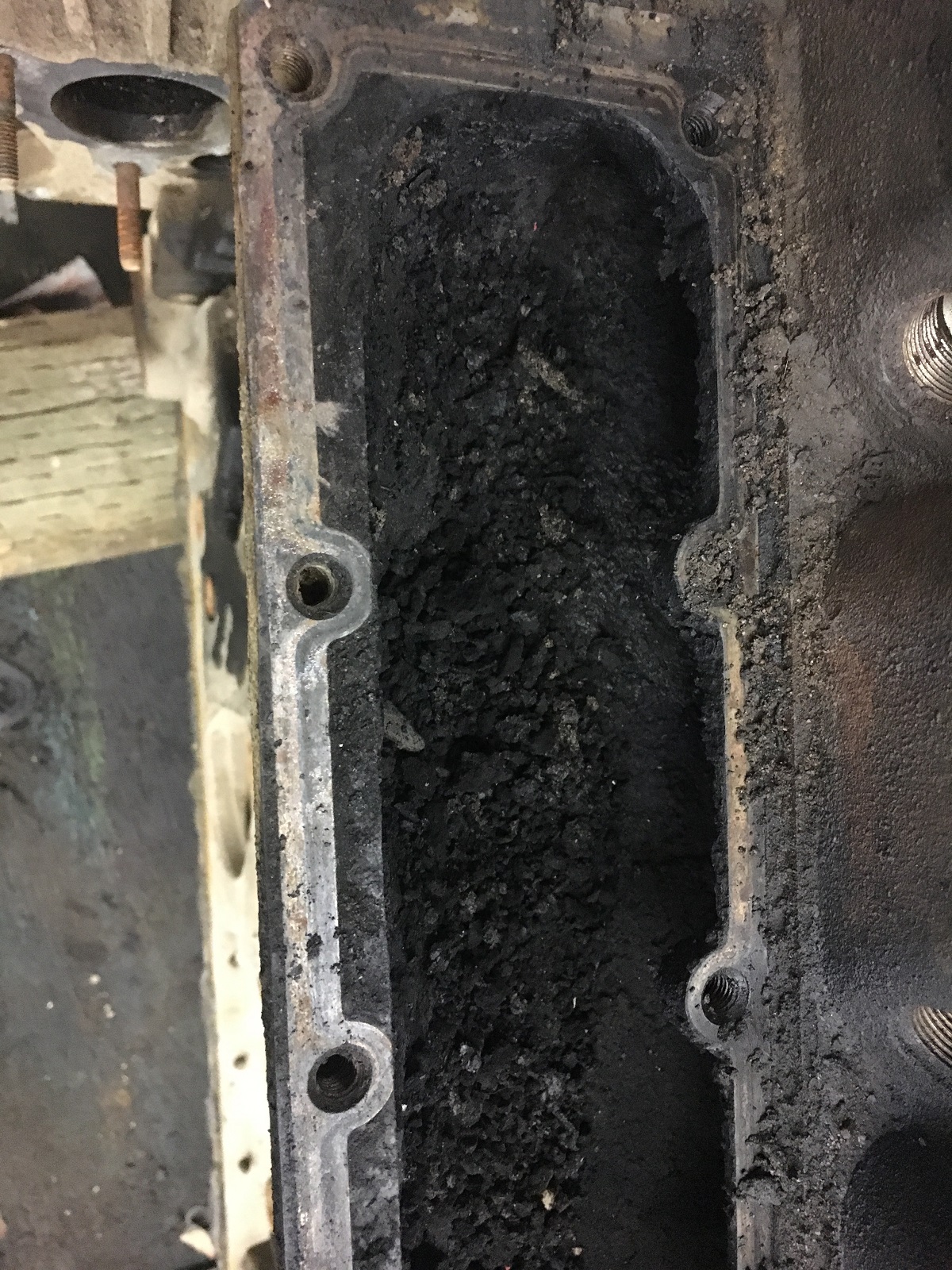
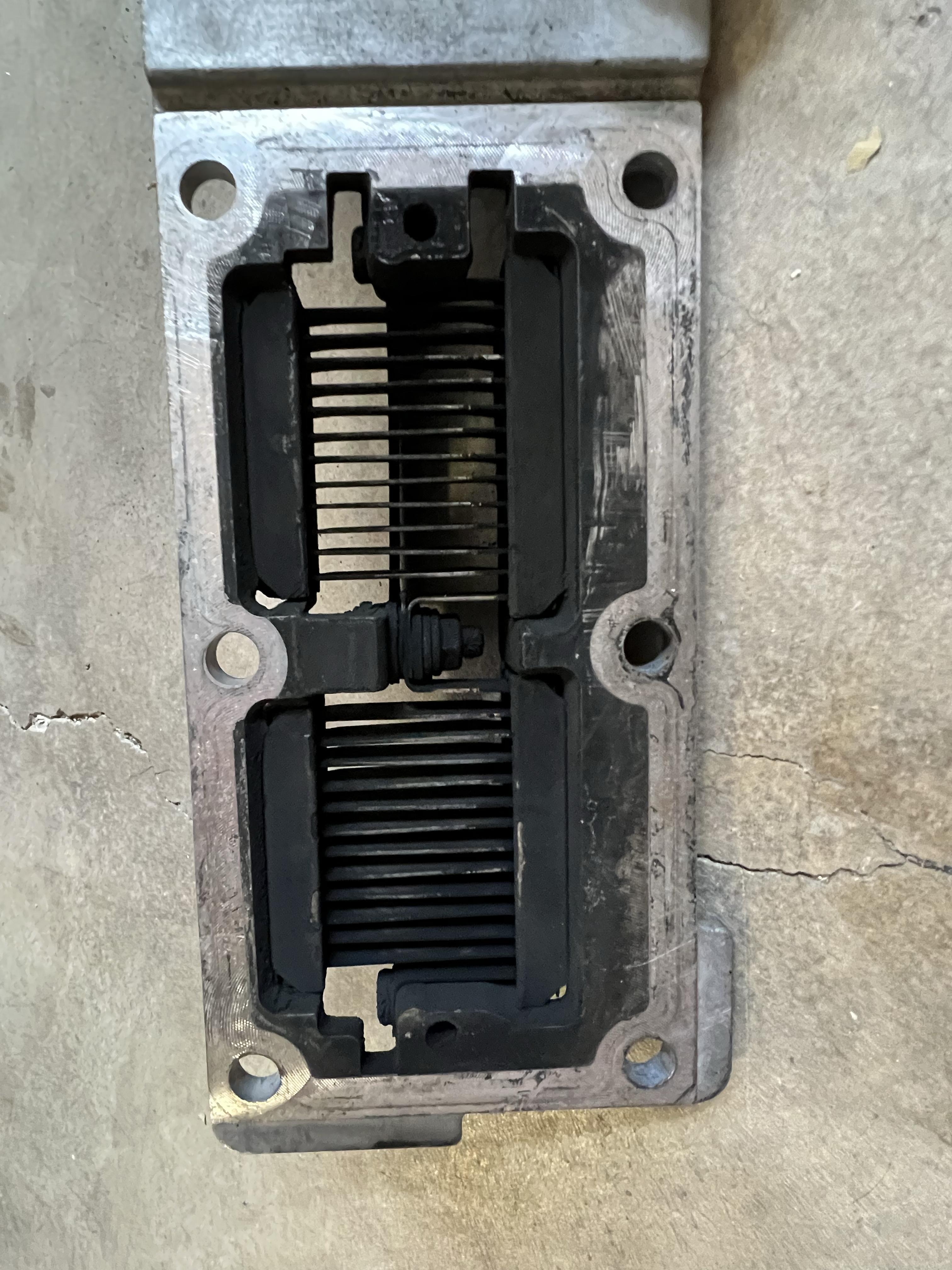
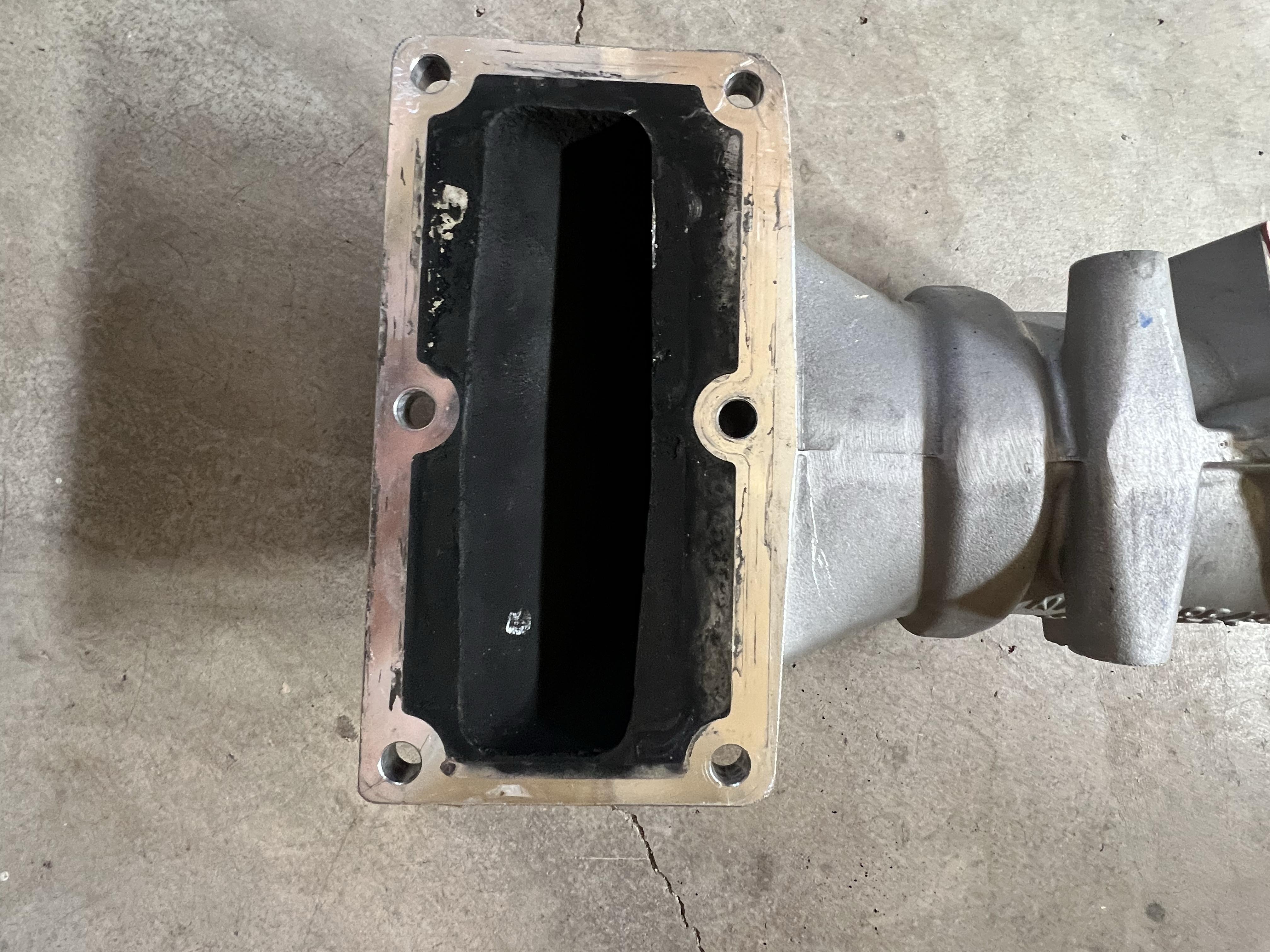
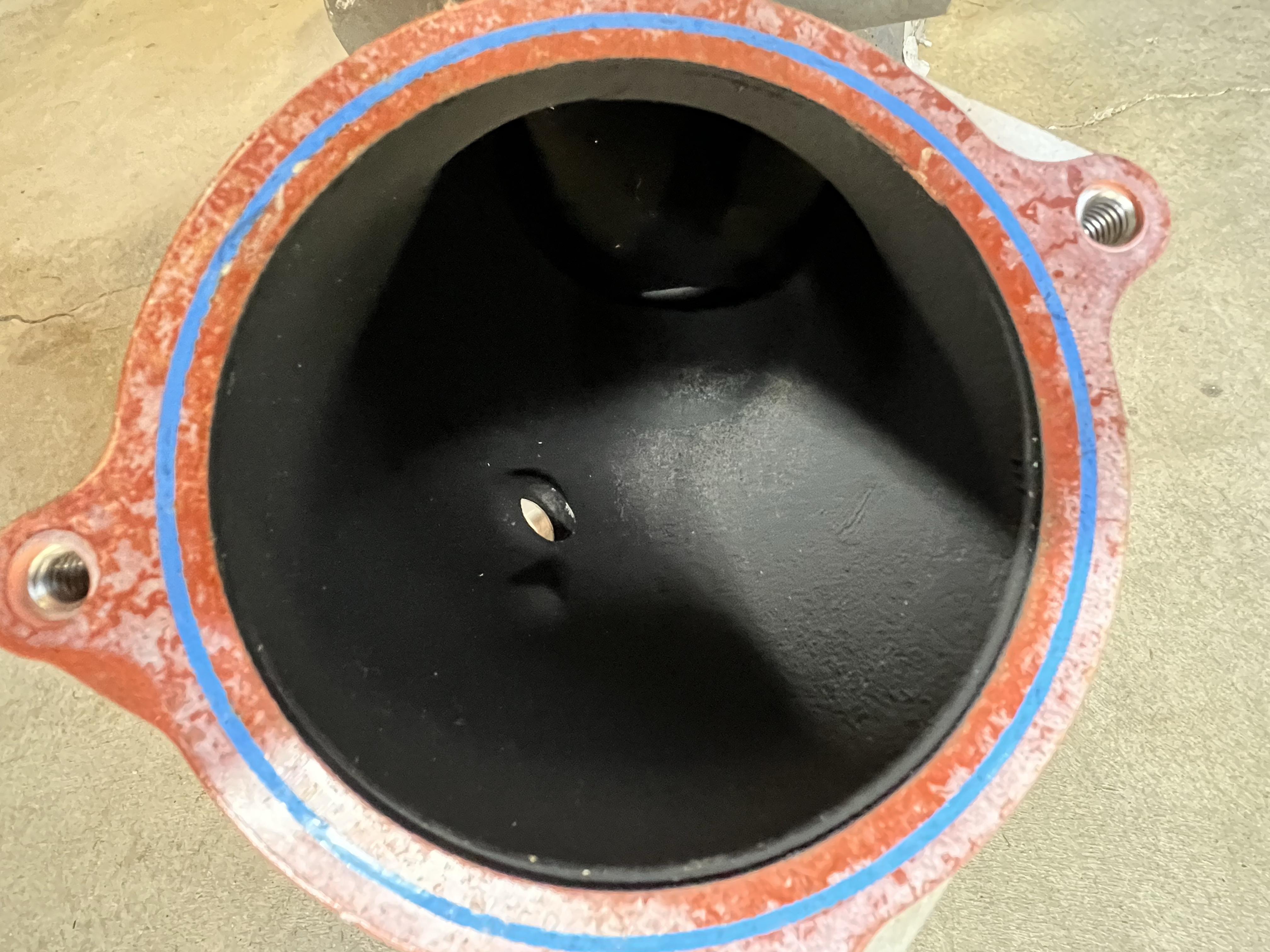
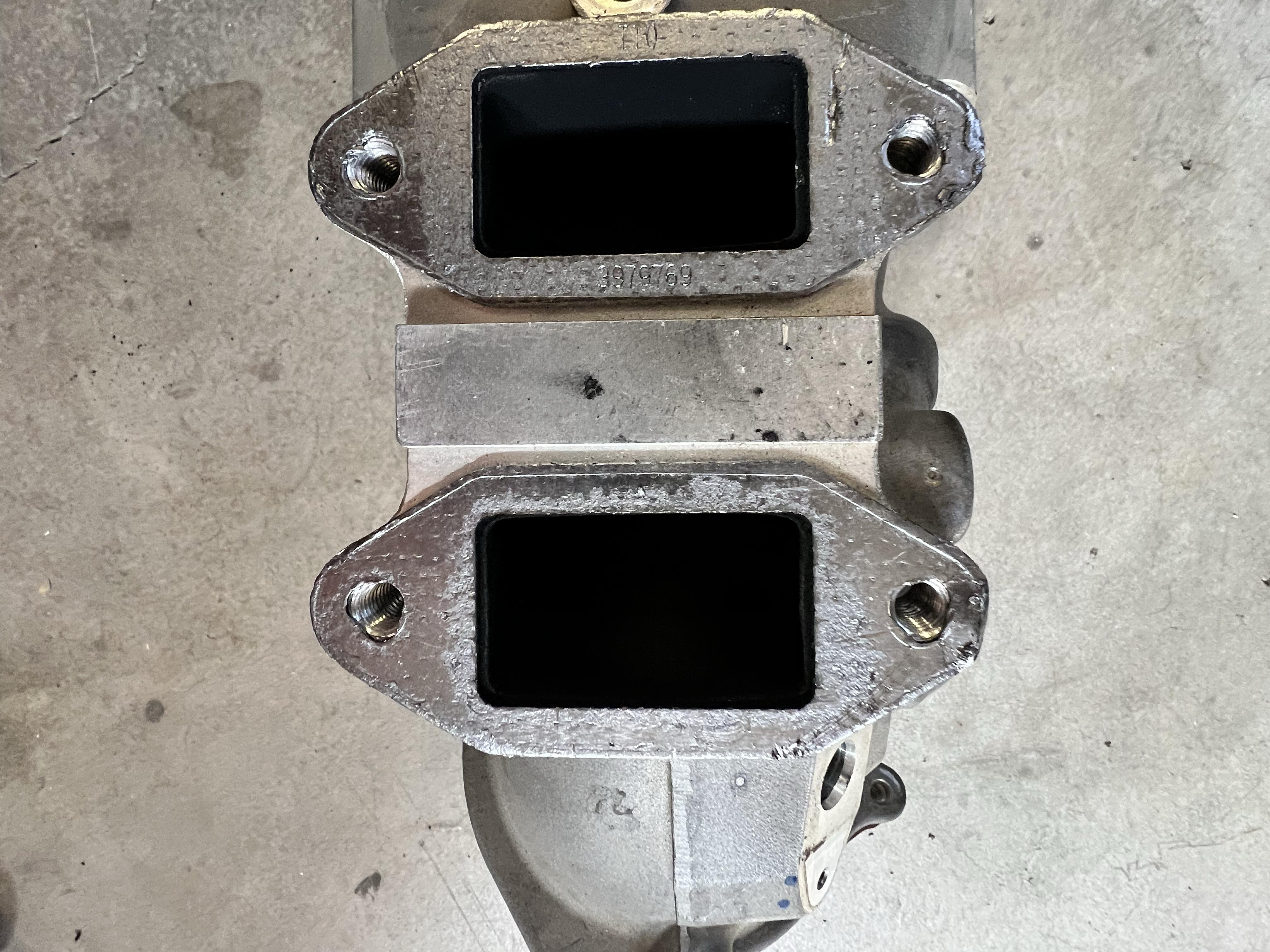
Let's get one thing clear, if someone even attempts to say ''hey man.. the EGR is not a big deal for the engine.. it does not even notice it man!''.. crack open your intake manifold at 100k miles and tell me you are not trying everything in your power not to make one little tap that will send a chunk of soot the size of Hawaii into the motor. This is *after* the EGR cooler and is exactly what is being fed into the engine. I agree that if you do not plan to keep it past 100k miles and you play footsie with the stealership, hold onto that warranty tight until the next truck you get in 5 years arrives.. while your traded in Cummins starts to regen white smoke in the air every 24 hours as if it was a 35 year old CAT 12litre during a cold start. Now that is good for the environment.

20200502_115241-jpg.904811


20210118_125037-jpg.772355


IMG_5215.jpg


Sorry, went off the deep end there.. I understand and accept that emissions components for our trucks work to a pretty good extent.. but just like electric cars, I just don't believe we are at the point that I can adopt it with full confidence knowing that it wont leave me stranded on the side of a no named road with my family. Or that it won't turn my legendary Cummins into a mechanical version of the human centipede. Yes, lets get over it, the emissions components hurt & restrict engine performance and longevity.
 
Last edited:
I am sure the EPA did not tell the automakers how to make their engines and emissions system.
Typically there are limits dictated by the EPA for NOx, CO, soot, HC, etc.
If the car and or engine maker sells you something which fails, it is not the EPA's fault. Maybe they set the bar a little high and it takes a lot of time to make the vehicles last long.
Toyota is not even selling Diesel engines in the USA, I think that is for a reason, maybe it has to do with the emissions system?
Also my believe is that most modern automakers make vehicles to last 100k miles and 5 years until the trouble starts. That drives new car sales.

On the positive side:
All these tough demands by EPA and other government driven rules and limits make the USA more competitive, I bet the best exhaust aftertreatment systems for Diesels are in the USA nowadays and other countries will buy them once they understand that clean Diesels are better for the environment than dirty Diesels.
Uhh….I don’t think China is beating down the door :rolleyes:
 
Let's get one thing clear, if someone even attempts to say ''hey man.. the EGR is not a big deal for the engine.. it does not even notice it man!''.. crack open your intake manifold at 100k miles and tell me you are not trying everything in your power not to make one little tap that will send a chunk of soot the size of Hawaii into the motor. This is *after* the EGR cooler and is exactly what is being fed into the engine. I agree that if you do not plan to keep it past 100k miles and you play footsie with the stealership, hold onto that warranty tight until the next truck you get in 5 years arrives.. while your traded in Cummins starts to regen white smoke in the air every 24 hours as if it was a 35 year old CAT 12litre during a cold start. Now that is good for the environment.

20200502_115241-jpg.904811


20210118_125037-jpg.772355


IMG_5215.jpg


Sorry, went off the deep end there.. I understand and accept that emissions components for our trucks work to a pretty good extent.. but just like electric cars, I just don't believe we are at the point that I can adopt it with full confidence knowing that it wont leave me stranded on the side of a no named road with my family. Or that it won't turn my legendary Cummins into a mechanical version of the human centipede. Yes, lets get over it, the emissions components hurt & restrict engine performance and longevity.
This is exactly what I saw on my 2010 X5 diesel with 100k miles after 7 years. The check engine light made a regular appearance. I did a OBD scan with a Carly scanner specific to BMWs and got a list of faults so long it scared the hell out of me. I had a new car by the end of the week.
 
BMW's had a tiny def tank and at least to my knowledge had a def refill at the dealership when service was due.
Due to that limited amount of def available in the vehicle and to meet the NOx requirement the EGR rate is likely higher than the newest Cummins generations.
I remember that when the direct injected gas engines came out a similar issue appeared. The intake was not cleaned by fuel any longer and at 60kish miles a walnut blast procedure was required.
That is not a thing any more with modern DI gas engines.
I would not be surprised if my 2021 Cummins has less EGR than a 2014 Cummins and therefore such carbon buildup is less severe.
 
BMW's had a tiny def tank and at least to my knowledge had a def refill at the dealership when service was due.
You know your vehicles. This is exactly right. They would flush and fill the DEF during dealer service. I also had the option to add about a half gallon of DEF between service appointments if needed. The fill access was in the engine compartment and required a BMW specific DEF bottle with a special attachment. Glad we can just fill up our modern diesels at a service station these days.
I would not be surprised if my 2021 Cummins has less EGR than a 2014 Cummins and therefore such carbon buildup is less severe.
This is good to hear. I really want to keep this truck for >100,000 miles.
 
Let's get one thing clear, if someone even attempts to say ''hey man.. the EGR is not a big deal for the engine.. it does not even notice it man!''.. crack open your intake manifold at 100k miles and tell me you are not trying everything in your power not to make one little tap that will send a chunk of soot the size of Hawaii into the motor. This is *after* the EGR cooler and is exactly what is being fed into the engine. I agree that if you do not plan to keep it past 100k miles and you play footsie with the stealership, hold onto that warranty tight until the next truck you get in 5 years arrives.. while your traded in Cummins starts to regen white smoke in the air every 24 hours as if it was a 35 year old CAT 12litre during a cold start. Now that is good for the environment.

20200502_115241-jpg.904811


20210118_125037-jpg.772355


IMG_5215.jpg


Sorry, went off the deep end there.. I understand and accept that emissions components for our trucks work to a pretty good extent.. but just like electric cars, I just don't believe we are at the point that I can adopt it with full confidence knowing that it wont leave me stranded on the side of a no named road with my family. Or that it won't turn my legendary Cummins into a mechanical version of the human centipede. Yes, lets get over it, the emissions components hurt & restrict engine performance and longevity.

Are these pictures of your truck?

IOW, what's the source for these? Pre 19? Pre 13?
 
Are these pictures of your truck?

IOW, what's the source for these? Pre 19? Pre 13?
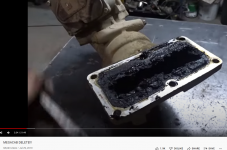
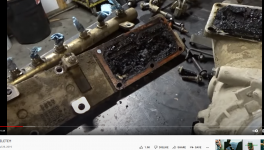
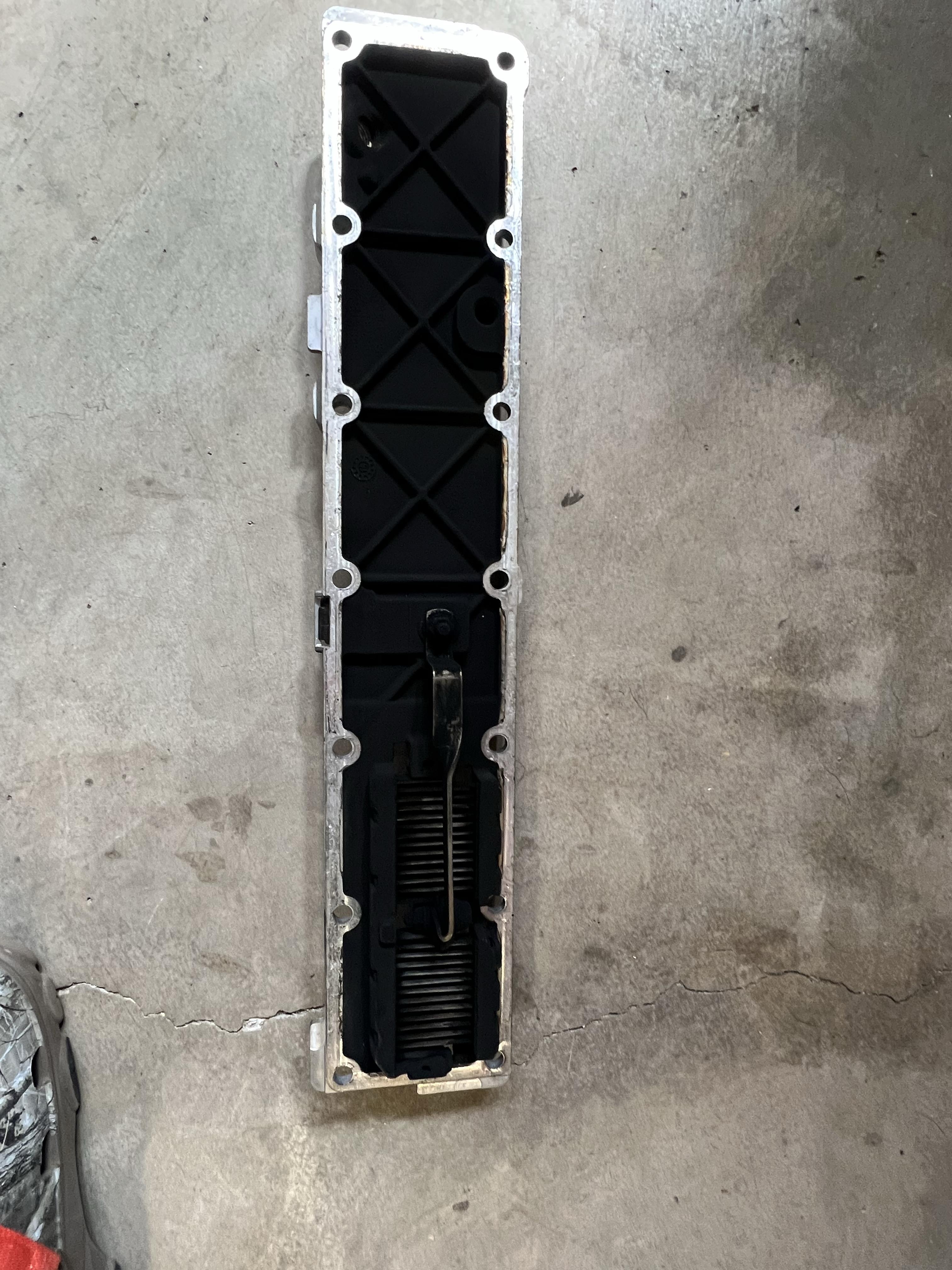
Bottom pic is an 18', middle is of a 6.7 PS and first is a 15'. Below are pictures from a video you can find on Youtube of Optimal Welding doing a 4th gen delete and he shows what is un-covered. I have seen 2 videos of 19+ delete installs with results both showing the same but just a little less thickness due to deleting at earlier mileage but I will attempt to find source and video to what I am referring to as it was under 10k miles and the soot buildup was just plain sad.

1645385809508.png

1645385625590.png

1645385656166.png

1645385737130.png
 
In Nj last week they had two department of transportation stops on major roads checking for deleted diesel trucks. Sh_ts getting real.
 
Back
Top