What's new
Ram Heavy Duty Forum

Register a free account today to become a member! Once signed in, you'll be able to participate on this site by adding your own topics and posts, as well as connect with other members through your own private inbox!

Oil in turbo?

Much2fast

Member
Messages
37
Reaction score
22
Points
8
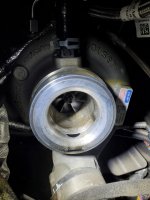
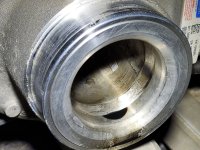
I was installing a block heater plug and pulled the intake tube for easier access, where I noticed what looked like oil around the inlet to the turbo. I ended up just cleaning it off, but wanted to get some thoughts on if this looks normal? 2021 2500 w just over 26000 miles. I have an appointment at the dealership next week for something unrelated, if it is abnormal is it worth mentioning to them?
 

Attachments

  • 20240220_202625.jpg
    20240220_202625.jpg
    478.1 KB · Views: 82
  • 20240220_202639.jpg
    20240220_202639.jpg
    653.2 KB · Views: 81
  • 20240220_202653.jpg
    20240220_202653.jpg
    631.2 KB · Views: 81
Have them look at it, but if it’s cleaned up they may not do anything until it builds up again.
 
I'd keep an eye on that and get a dealer to look at it. that's alot for such low miles.
 
Thanks for the input, will definitely bring it up to the dealer and show them the pics when I take it in
 
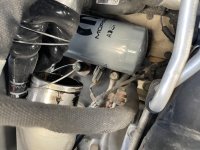
I thought that was normal for these new trucks with the crankcase venting right into the turbo intake? OP, that black hose right above the intake you removed is where the “blow-by” from your cylinders re enters your engine to be burned during the combustion process. In older generation cummins it was exhausted into the atmosphere via a road draft tube. A mist accompanied by occasional oil drips would be seen from the tube. After that they tried collection bottles on the 98-02 24 valves, then I believe back to draft tubes that were filtered for the 03-? 24 valves. In the name of controlling pollution it has evolved to what’s in place today.
 
my truck has almost 90k miles on it, and it's never had that much oil from the ccv. that's all I have to go by.
 
Yes I did notice that black tube and wondered if there could be some small drip or mist coming from that. You can kinda tell in the picture it looks like a caked on residue, it wiped off really easy. If I understand it that is part of the CCV vent correct? Could there be anything going on with the CCV filter?
 
Yes I did notice that black tube and wondered if there could be some small drip or mist coming from that. You can kinda tell in the picture it looks like a caked on residue, it wiped off really easy. If I understand it that is part of the CCV vent correct? Could there be anything going on with the CCV filter?
Yes that is in place if the old style draft tubes. Emissions stuff. ccv filter isn’t due at your low mileage. It was 67,500 miles on previous models, I can’t recall if it stayed the same on the 19+..
 
The CCV system is piped into that intake tube. You may get a minor amount of oil residue in the inlet of the turbocharger, but you shouldn’t see pooling or puddling. If you’re seeing that much oil over there, I would investigate the following:

1. Was the oil recently changed, and if so, was the oil given at least 30 minutes to drain out properly (while at operating temperature) in order to make sure there was little to remaining oil left in the engine when the new 12 quarts were added? Check the engine oil level on the dipstick and note the level. If it is showing over max level, this can contribute to excessive oil on the turbo and intercooler piping.

2. Monitor your trucks regeneration cycles. If the truck is running regen cycles more frequently, you may see an increase in fuel added to the engine oil, which raises the oil level in the sump. This leads to the same outcome as mentioned in #1. Excessive oil in the sump can get drawn into the intake piping.

3. If you’re operating in an environment that gets very cold, there have been cases where residual moisture and condensation that gets trapped in the CCV filter and cover area has frozen, resulting in increased draw across the system and more oil being pulled into the turbocharger piping.
 
I thought that was normal for these new trucks with the crankcase venting right into the turbo intake? OP, that black hose right above the intake you removed is where the “blow-by” from your cylinders re enters your engine to be burned during the combustion process. In older generation cummins it was exhausted into the atmosphere via a road draft tube. A mist accompanied by occasional oil drips would be seen from the tube. After that they tried collection bottles on the 98-02 24 valves, then I believe back to draft tubes that were filtered for the 03-? 24 valves. In the name of controlling pollution it has evolved to what’s in place today.
Normal would be a very very thin, light amount of oil. The whole purpose of the CCV filter is to coalesce the oil suspended in the vapor coming out of the crankcase and then return that oil back to the sump. It shouldn’t be passing excess oil over to the intake side of the turbo unless the filter itself is failing, or has been excessively saturated due to some other malfunction or issue. When you start to see oil pooling / puddling at the intake of the turbocharger, it’s usually a sign you have something else going on. That amount of oil can lead to subsequent issues such as frequent regeneration or excessive oil combustion in the cylinders (adds more ash to the emissions system)
 
Absolutely normal.

Old trucks used to vent the crankcase straight to the ground.

New trucks send that crap back into the intake. Dont sweat it. Truck and turbo are fine.
 
The gates rannith open on my 12 a few years back and my 19 will breathe some day soon …just like Rudolf intended. ;)
 
shared image.jpg
I have this photo of my Ram 2019 2500 with a blown-out intercooler boot tube that came off while my truck was being driven as a test drive. (Funny, not so funny, the dealer provided me this photo.) I took it to the dealer after a low boost and they changed out the DPF filter because it was clogged, the actuator because it malfunctioned and the intercooler boot as seen this was the new one that came off the turbo because it wasn't properly installed. My question for you folks is the same as the first person's question. Is this amount of carbon/oil look right coming out of this turbo going to the intake? I get they messed up when they didn't properly set the boot on the turbo, but this turbo looks messed up with what is coming from it. This truck has 130K miles on it. So, it's been used. The only thing is this turbo to me looks wrong. They did reinstall the boot on the turbo and the truck is running very good now. Only thing, the truck did start a regen as soon as I got it on the hwy to test the truck after getting it back. I'm disappointed like I'm sure many of you would be too.

 
View attachment 82334
I have this photo of my Ram 2019 2500 with a blown-out intercooler boot tube that came off while my truck was being driven as a test drive. (Funny, not so funny, the dealer provided me this photo.) I took it to the dealer after a low boost and they changed out the DPF filter because it was clogged, the actuator because it malfunctioned and the intercooler boot as seen this was the new one that came off the turbo because it wasn't properly installed. My question for you folks is the same as the first person's question. Is this amount of carbon/oil look right coming out of this turbo going to the intake? I get they messed up when they didn't properly set the boot on the turbo, but this turbo looks messed up with what is coming from it. This truck has 130K miles on it. So, it's been used. The only thing is this turbo to me looks wrong. They did reinstall the boot on the turbo and the truck is running very good now. Only thing, the truck did start a regen as soon as I got it on the hwy to test the truck after getting it back. I'm disappointed like I'm sure many of you would be too.
Looks excessive at first glance but hard to tell just seeing the bottom. If you’re at 130k and it clogged the DPF, excessive oil in the charge air circuit could be to blame for DPF filling prematurely. It can also force the truck to regenerate far more frequently than it should. How many times has the CCV filter been changed in that 130k miles? If it’s never been changed or not changed enough it may be partly to blame. Typically excessive oil in the charge are circuit is caused by either a saturated CCV or an oil level in the crankcase that is higher than the “full” amount.
 
Back
Top