
Ram Heavy Duty Forum
You are using an out of date browser. It may not display this or other websites correctly.
You should upgrade or use an alternative browser.
You should upgrade or use an alternative browser.
2021 RAM 3500 Tradesman | AEV Prospector | FWC Grandby
- Thread starter ramblinChet
- Start date


ramblinChet
Drinks Alone
- Messages
- 653
- Reaction score
- 3,134
- Points
- 93
Side by side: the photo she sent me this week, her face still carrying the softness of those campsite evenings, and one of the simple, hearty meals she cooked right here in my camper.
As mentioned above, a man’s greatest battle is inside - against lust, pride, and restless passions. Like St. Augustine’s restless heart pleading, “Lord, give me chastity…but not yet,” the primitive part of me was powerfully drawn to her exterior: twenty years younger, beautiful, flirty, wounded, and weak as she came close. But the soul formed by traditional Catholic teaching saw only her immortal soul, the one Holy Mother Church alone can heal.
Listening to her stories made it clear: several men betrayed her in the past, took her trust, then quit when life became hard, leaving her more guarded and alone. In holding the line, one deep goal was to reassure her - quietly, by fidelity and self-denial - that trustworthy men still walk this earth: men who will not quit, who choose the old morality, deny themselves, and guide toward Christ rather than exploit.
St. Thomas distinguishes concupiscence from charity: one pulls toward self-gratification; the other wills the other’s eternal good because she is God’s. Christ calls us to put others first - this trial tested me to the core. I cannot save her - only He can. Our mission as Catholic men is to lead souls to Heaven’s grace. That demanded fierce prayer, cold truck nights, firm boundaries, and plain talk of the True Mass and the saints’ victories. Brothers, the primitive pull is strong; grace is stronger. Lead courageously, deny yourself, protect what is His. Pray for her, and for one another in the fight.
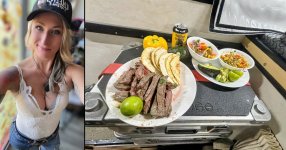
As mentioned above, a man’s greatest battle is inside - against lust, pride, and restless passions. Like St. Augustine’s restless heart pleading, “Lord, give me chastity…but not yet,” the primitive part of me was powerfully drawn to her exterior: twenty years younger, beautiful, flirty, wounded, and weak as she came close. But the soul formed by traditional Catholic teaching saw only her immortal soul, the one Holy Mother Church alone can heal.
Listening to her stories made it clear: several men betrayed her in the past, took her trust, then quit when life became hard, leaving her more guarded and alone. In holding the line, one deep goal was to reassure her - quietly, by fidelity and self-denial - that trustworthy men still walk this earth: men who will not quit, who choose the old morality, deny themselves, and guide toward Christ rather than exploit.
St. Thomas distinguishes concupiscence from charity: one pulls toward self-gratification; the other wills the other’s eternal good because she is God’s. Christ calls us to put others first - this trial tested me to the core. I cannot save her - only He can. Our mission as Catholic men is to lead souls to Heaven’s grace. That demanded fierce prayer, cold truck nights, firm boundaries, and plain talk of the True Mass and the saints’ victories. Brothers, the primitive pull is strong; grace is stronger. Lead courageously, deny yourself, protect what is His. Pray for her, and for one another in the fight.

ramblinChet
Drinks Alone
- Messages
- 653
- Reaction score
- 3,134
- Points
- 93
A few months back I signed up for a Planet Fitness Black Card, which lets me hit any of the 2,600+ locations around the country. When I swing by a few times a week I can stretch, lift a bit, take a long hot shower, and finish with the massage chairs. So far it’s been a darn good deal. This weekend there was a car show in the parking lot next door, perfect weather, so I wandered over to look at mostly ’60s muscle cars. This ’69 Chevy El Camino tricked out with an Idlewild camper really caught my eye - I’d never seen a hot rod and camper combo like that before.

Four Mile Cove Eco Preserve is this peaceful 365-acre brackish wetland in Cape Coral, right along the Caloosahatchee River. The winding boardwalk cuts through thick mangroves and gives you solid shots at spotting herons, ibis, eagles, raccoons, and maybe an alligator or two if you’re lucky. It’s one of the bigger preserved spots around, with a visitor center, observation piers, and strict rules - no dogs, no bikes, just quiet walking. I spent a solid hour strolling the loop trail, taking it easy on the shaded boardwalk and shell paths, listening to the birds and watching the water ripple. It was relaxing as heck - felt like a real break from everything, just me, the mangroves, and whatever critters decided to show up.

After a few weeks of camping and messing around along the Gulf Coast, I got the itch to head inland and see what rural Florida was really like. I pulled out my map, spotted Immokalee, and thought, yeah, that’s the spot. It’s way out in the middle of nowhere, surrounded by farms, and from what I’d heard about 90% of the folks there are undocumented immigrants, mostly working the fields. As this old white guy with long hair, a beard, and a beat-up overland rig that looks half military, I figured it’d be interesting - probably stick out like a sore thumb, but that’s kinda the point when you’re hunting real places off the usual tourist path.
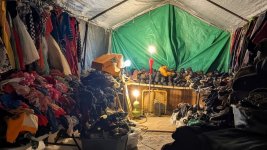
Nights, I started hanging out at the outdoor flea market. Man, it was hot and humid - it reminded me of some of the places I deployed to when I was younger. At first everybody was staring at me like, “Who the heck is this guy?” I just kept showing up, buying food, some fruit, whatever looked good, and actually enjoying the eats - some Guatemalan stuff and solid Mexican tacos. After a couple nights people loosened up. The young men would nod, the young ladies would sheepishly smile. The kids cracked me up the most - they couldn’t stop staring at my beard. Pointing, giggling, a few brave ones even reached out to touch it like it was some kind of weird pet. Turned what started out awkward into pretty fun evenings.

Just seven miles south of Immokalee sits this planned town called Ave Maria, built in the mid-2000s around Ave Maria University by the Domino’s Pizza founder Tom Monaghan as a Catholic-focused community with the massive church smack in the center. Since it was the weekend, I decided to go to the Low Latin Mass there on Sunday at 12:30. Felt right to experience it in a spot built for that kind of traditional worship.

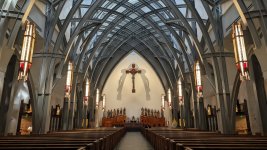
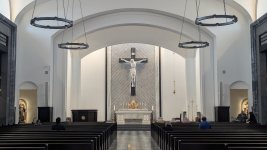
I’m not usually into modern church designs - most feel cold or stripped down - but the interior of this one really took my breath away. Exposed steel beams arch way up high, giving it a strong, almost industrial feel mixed with real grandeur, and there’s this massive suspended crucifix hanging above the altar, throwing dramatic shadows as the light hits it. Flanking the tabernacle are big wooden statues of the twelve apostles, standing tall and serious, with the Blessed Virgin Mary and St. Joseph on the outsides watching over them all. What really got to me, though, was watching the families show up - lots pulling in on golf carts or walking from nearby, the men in nice suits or at least button-up shirts and ties, every woman and girl in long dresses and chapel veils. Everybody looked happy, smiling, greeting each other like it was the most natural thing. Sitting there, I thought, man, this must be what a lot of America looked like a hundred years ago - simple, peaceful, centered on faith and family. Beautiful sight.
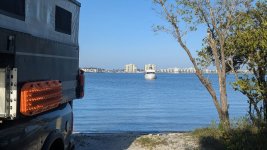
After heading south a bit, I spent some time touring Naples and Marco Island - driving the fancy streets lined with palm trees, peeking at the beaches, and checking out the high-end spots. One planned stop was Exquisite Timepieces, this sleek luxury watch shop packed with serious men’s pieces from Glashütte Original, H. Moser & Cie., Blancpain, and others - my goal is to thin my collection by selling three at a time and then treating myself to one new watch. Once again I got the stares; I rolled in looking (and probably smelling) like I’d been sleeping rough along the coast and out by the Everglades - long hair tangled, beard wild, clothes from days on the trail - and a lot of the polished folks in those upscale areas didn’t seem thrilled to have me browsing. Truth be told, I felt way more welcome back in Immokalee with the simple, hard-working people who just went about their day. Here’s a shot of me crashed out on the water just outside town at the Bear Point Canoe and Kayak launch - when you’ve been living in your truck camper every night for a few years, you get pretty creative finding quiet spots close enough to civilization without drawing too much attention.
After weeks bouncing between towns and beaches, I pointed my rig east and drove straight into the real Everglades, heart thumping a little harder with every mile the pavement turned to gravel and the world got wilder. Man, there’s nothing like that feeling - knowing you’re heading into one of the last truly raw, untamed places left in Florida, where cell signal fades and the only sounds are wind in the sawgrass and distant gator grunts. I’d blocked off a full week to disappear into it, no plans except chasing whatever the swamp threw at me. It felt primitive in the best way, like stepping back in time to when Florida was still half-wild - just me, the truck camper, and a million acres of nothing but water, sky, and whatever critters decided to show themselves. Pure freedom, a little edge-of-the-seat excitement, and the kind of quiet that resets your whole head.
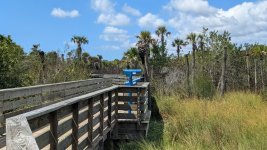
My first stop was Fakahatchee Strand Preserve State Park and that Big Cypress Bend Boardwalk. Right off the bat you start seeing Florida alligators - big ol’ beasts lounging on the banks or half-submerged like they own the place, eyes just breaking the surface, watching you without blinking. The boardwalk kicks off in this open stretch with scattered cypress trees and bright sky overhead, easy walking and plenty of room to breathe, but then it slowly pulls you deeper. The canopy closes in, everything turns lush and tropical - thick vines, massive ferns, air so humid it feels alive - and the trail winds into this shadowy, primeval forest that smells like wet earth and mystery. Every step feels like you’re slipping further into the real Everglades, heart beating a bit faster wondering what’s around the next bend.

One evening, kicking back in the camper with my map under the little LED light after a full day in the swamp, I traced my finger and realized I was just north of Everglades City - somebody along the way, maybe a ranger or another camper, had mentioned it as a spot worth hitting if I was this close, so I thought why not give it a go. The next morning I packed up, headed south, and decided to settle in for a few days to soak up the end-of-the-road vibe. My first stop was the brand-new Gulf Coast Visitor Center at Everglades National Park, right on the water with killer views of the mangrove channels and Ten Thousand Islands stretching out forever. I stepped inside, grabbed fresh maps, talked boat tours and paddle trails with the rangers, and felt that salty breeze hit me as I walked out - already buzzing with excitement about the week ahead, pushing deeper into the Everglades, spotting wildlife up close, and losing myself in that vast, wild maze where the only schedule is sunrise and sunset.

Four Mile Cove Eco Preserve is this peaceful 365-acre brackish wetland in Cape Coral, right along the Caloosahatchee River. The winding boardwalk cuts through thick mangroves and gives you solid shots at spotting herons, ibis, eagles, raccoons, and maybe an alligator or two if you’re lucky. It’s one of the bigger preserved spots around, with a visitor center, observation piers, and strict rules - no dogs, no bikes, just quiet walking. I spent a solid hour strolling the loop trail, taking it easy on the shaded boardwalk and shell paths, listening to the birds and watching the water ripple. It was relaxing as heck - felt like a real break from everything, just me, the mangroves, and whatever critters decided to show up.
After a few weeks of camping and messing around along the Gulf Coast, I got the itch to head inland and see what rural Florida was really like. I pulled out my map, spotted Immokalee, and thought, yeah, that’s the spot. It’s way out in the middle of nowhere, surrounded by farms, and from what I’d heard about 90% of the folks there are undocumented immigrants, mostly working the fields. As this old white guy with long hair, a beard, and a beat-up overland rig that looks half military, I figured it’d be interesting - probably stick out like a sore thumb, but that’s kinda the point when you’re hunting real places off the usual tourist path.
Nights, I started hanging out at the outdoor flea market. Man, it was hot and humid - it reminded me of some of the places I deployed to when I was younger. At first everybody was staring at me like, “Who the heck is this guy?” I just kept showing up, buying food, some fruit, whatever looked good, and actually enjoying the eats - some Guatemalan stuff and solid Mexican tacos. After a couple nights people loosened up. The young men would nod, the young ladies would sheepishly smile. The kids cracked me up the most - they couldn’t stop staring at my beard. Pointing, giggling, a few brave ones even reached out to touch it like it was some kind of weird pet. Turned what started out awkward into pretty fun evenings.
Just seven miles south of Immokalee sits this planned town called Ave Maria, built in the mid-2000s around Ave Maria University by the Domino’s Pizza founder Tom Monaghan as a Catholic-focused community with the massive church smack in the center. Since it was the weekend, I decided to go to the Low Latin Mass there on Sunday at 12:30. Felt right to experience it in a spot built for that kind of traditional worship.
I’m not usually into modern church designs - most feel cold or stripped down - but the interior of this one really took my breath away. Exposed steel beams arch way up high, giving it a strong, almost industrial feel mixed with real grandeur, and there’s this massive suspended crucifix hanging above the altar, throwing dramatic shadows as the light hits it. Flanking the tabernacle are big wooden statues of the twelve apostles, standing tall and serious, with the Blessed Virgin Mary and St. Joseph on the outsides watching over them all. What really got to me, though, was watching the families show up - lots pulling in on golf carts or walking from nearby, the men in nice suits or at least button-up shirts and ties, every woman and girl in long dresses and chapel veils. Everybody looked happy, smiling, greeting each other like it was the most natural thing. Sitting there, I thought, man, this must be what a lot of America looked like a hundred years ago - simple, peaceful, centered on faith and family. Beautiful sight.
After heading south a bit, I spent some time touring Naples and Marco Island - driving the fancy streets lined with palm trees, peeking at the beaches, and checking out the high-end spots. One planned stop was Exquisite Timepieces, this sleek luxury watch shop packed with serious men’s pieces from Glashütte Original, H. Moser & Cie., Blancpain, and others - my goal is to thin my collection by selling three at a time and then treating myself to one new watch. Once again I got the stares; I rolled in looking (and probably smelling) like I’d been sleeping rough along the coast and out by the Everglades - long hair tangled, beard wild, clothes from days on the trail - and a lot of the polished folks in those upscale areas didn’t seem thrilled to have me browsing. Truth be told, I felt way more welcome back in Immokalee with the simple, hard-working people who just went about their day. Here’s a shot of me crashed out on the water just outside town at the Bear Point Canoe and Kayak launch - when you’ve been living in your truck camper every night for a few years, you get pretty creative finding quiet spots close enough to civilization without drawing too much attention.
After weeks bouncing between towns and beaches, I pointed my rig east and drove straight into the real Everglades, heart thumping a little harder with every mile the pavement turned to gravel and the world got wilder. Man, there’s nothing like that feeling - knowing you’re heading into one of the last truly raw, untamed places left in Florida, where cell signal fades and the only sounds are wind in the sawgrass and distant gator grunts. I’d blocked off a full week to disappear into it, no plans except chasing whatever the swamp threw at me. It felt primitive in the best way, like stepping back in time to when Florida was still half-wild - just me, the truck camper, and a million acres of nothing but water, sky, and whatever critters decided to show themselves. Pure freedom, a little edge-of-the-seat excitement, and the kind of quiet that resets your whole head.
My first stop was Fakahatchee Strand Preserve State Park and that Big Cypress Bend Boardwalk. Right off the bat you start seeing Florida alligators - big ol’ beasts lounging on the banks or half-submerged like they own the place, eyes just breaking the surface, watching you without blinking. The boardwalk kicks off in this open stretch with scattered cypress trees and bright sky overhead, easy walking and plenty of room to breathe, but then it slowly pulls you deeper. The canopy closes in, everything turns lush and tropical - thick vines, massive ferns, air so humid it feels alive - and the trail winds into this shadowy, primeval forest that smells like wet earth and mystery. Every step feels like you’re slipping further into the real Everglades, heart beating a bit faster wondering what’s around the next bend.
One evening, kicking back in the camper with my map under the little LED light after a full day in the swamp, I traced my finger and realized I was just north of Everglades City - somebody along the way, maybe a ranger or another camper, had mentioned it as a spot worth hitting if I was this close, so I thought why not give it a go. The next morning I packed up, headed south, and decided to settle in for a few days to soak up the end-of-the-road vibe. My first stop was the brand-new Gulf Coast Visitor Center at Everglades National Park, right on the water with killer views of the mangrove channels and Ten Thousand Islands stretching out forever. I stepped inside, grabbed fresh maps, talked boat tours and paddle trails with the rangers, and felt that salty breeze hit me as I walked out - already buzzing with excitement about the week ahead, pushing deeper into the Everglades, spotting wildlife up close, and losing myself in that vast, wild maze where the only schedule is sunrise and sunset.

ramblinChet
Drinks Alone
- Messages
- 653
- Reaction score
- 3,134
- Points
- 93
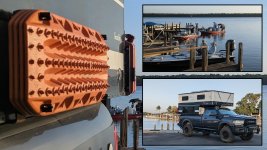
Chokoloskee has always carried that raw, edge-of-the-world feel, a tiny island outpost with roots stretching back to the Calusa people and later to hardy settlers who carved out a life amid the mangroves and shifting tides. For generations it served as a gateway for fishermen chasing snook, redfish, and tarpon in the nutrient-rich waters where the Gulf meets the brackish labyrinth of the Ten Thousand Islands. I pulled in and spent the night right at the ramp in the Prospector and Grandby, the rig tucked quietly among the palms while the water lapped against the concrete. Early the next morning I watched adventure boaters slipping away in the soft dawn light, loaded with gear for multi-day camps deep in the National Wildlife Refuge - tents on shell mounds, fires under the stars, navigating the maze of islands where cell service vanishes and the modern world feels very far away. There was something beautifully unexplained about their departures: no big send-offs, just quiet determination and the knowledge that a simple boat and a bit of self-reliance can still unlock weeks of solitude in one of Florida’s last true wild places.
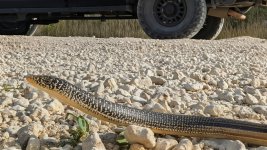
The Everglades hold a special kind of beauty and mystery - endless sawgrass prairies, cypress domes, and hidden sloughs that shift with the seasons and hide more life than most people ever notice. I was rolling slowly down a gravel road when this little non-venomous snake (looked like a ribbon snake) crossed right in front of the truck, pausing long enough for a quick photo. I’ve seen several snakes on this trip, and I even considered joining some locals for a late-night hunt, but in the end I opted for sleep and promised myself I’d make it happen next time I’m down here. There’s something compelling about the snakes of the Glades - harmless beauties like this one sharing space with the bigger players, all part of an ecosystem that still feels primeval and untamed.
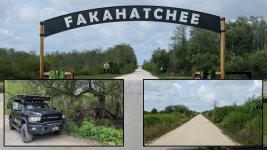
Fakahatchee Strand Preserve is one of those places that still feels like old Florida - vast strands of ancient cypress, royal palms, and rare orchids tucked into a wetland wilderness. It’s a quiet, almost reverent stretch of protected land where you can sense the depth of time in the twisted trunks and still black water. I stopped at the entrance gate for the shot, then eased the truck down Janes Memorial Scenic Drive, pulling over whenever the views opened up. That drive is a gem in itself: a narrow, winding road through the heart of the preserve with glimpses of wading birds, alligators, and dense jungle-like growth pressing right up to the edges. It’s the kind of slow, immersive route that rewards patience and reminds you why these pockets of preserved wildness matter so much.
There’s something deeply American about the inventiveness you find in rural places like the Big Cypress Wildlife Management Area - folks taking whatever materials are at hand and building something that just works for the land they live on. These two swamp buggies were classic examples: bare frames and drivetrains from old 4x4 trucks with the bodies removed, then topped with raised platforms several feet off the ground, rows of seats, and simple controls up front for the driver. They’re built tall to clear the sawgrass, mud, and shallow water, with big tires or tracks depending on the build, turning them into mobile observation platforms for hunting, fishing, or just getting deep into the cypress and prairie where regular vehicles would bog down. Practical, rugged, and perfectly suited to the terrain, they’re a testament to hands-on ingenuity that still thrives out here.

Bear Island Campground sits way back in the Big Cypress area, remote enough that you feel like you’ve really gotten away from it all. For just ten bucks a night you get a flat, beautiful site with nothing but a pit toilet and plenty of space - no hookups, no crowds, just peace and the sounds of the surrounding wild. I parked on one of those level spots and thoroughly enjoyed the simplicity of it. It was exactly the kind of no-frills camping that makes the whole overlanding lifestyle worthwhile, and I’m already looking forward to pulling in there again on the next trip south in a few years.

One of the quiet joys of traveling America is pulling over for the unique little roadside stops that dot the map - places that don’t make the big tourist lists but stick with you because they’re genuinely one-of-a-kind. I’ve hit quite a few over the years simply because it’s fun and they remind me how much character still exists off the interstate. Ochopee’s tiny post office is a perfect example: officially the smallest in the country, it’s basically a single-room wooden shack that somehow still handles real mail. People from all over the world stop here, slap a sticker on the front door, and leave a mark before continuing on their way. It’s a humble little landmark that somehow captures the spirit of discovery that keeps me wandering these back roads.

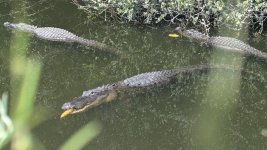
Alligators are such an iconic part of Florida - powerful, ancient-looking creatures that have thrived in these wetlands for millions of years and still command respect whenever you spot one. Loop Road Scenic Drive is one of the best places to see them in the wild: a fun, winding route where you’ll often find hundreds lounging along the roadside ditches and banks, sunning themselves or slipping silently into the water as you pass. It’s an easy, family-friendly drive that delivers real wildlife viewing without needing a boat or long hike - just keep your eyes open and your distance respectful. I thoroughly enjoyed the slow cruise, taking in the sheer number of gators and the raw, untamed feel of the place.
I pulled into Joanie’s Blue Crab Cafe for lunch and ordered the famous blue crab sandwich, which hit the spot after a morning on the road. It’s the kind of one-of-a-kind spot that makes traveling worthwhile - no air conditioning, the waitress sometimes barefoot, dogs welcome inside, just straightforward service in a place that feels completely authentic. Places like Joanie’s carry the real America we love: hard-working folks putting out top-tier food and hospitality without corporate chains, scripted greetings, or any of the goofy social policies that seem to dominate so many modern businesses. It’s unpretentious, local, and rooted in the kind of genuine culture that still thrives in the back roads and small towns if you take the time to find it.

The ValuJet Flight 592 crash in 1996 was a heartbreaking tragedy caused by a chain of failures - improperly stored oxygen generators in the cargo hold that ignited, leading to an uncontrollable fire and the loss of all 110 people on board. I stopped at the quiet roadside memorial to pay my respects, reading each name aloud and noting how many were couples and families traveling together. The site sits near the flight path into Miami, and I lingered there into the evening watching the endless conga line of jets descending in a stabilized approach. I ended up sleeping near the memorial that night (no signs prohibited it, and my only intention was respect), praying for the souls of those lost and reflecting on how quickly life can change.

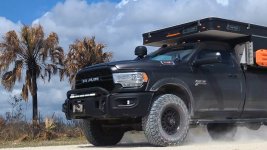
Here’s a rare action shot of the Prospector kicking up a serious dust cloud as I rolled down a gravel road deep in the Everglades - the kind of plume that lingers and can be seen for miles across the flat landscape. The surrounding trees showed the scars of an active wildfire burning not too far off, and while warnings were out, I stayed far enough away and kept a close eye on the fire’s progress, especially when settling in for the night. Being this far south in Florida, the next logical move feels like heading into the Keys for a few weeks. Boondocking looks tight on the islands with limited space and attentive local law enforcement, but I’m willing to give it a shot and see what turns up. Wish me luck!
The Everglades hold a special kind of beauty and mystery - endless sawgrass prairies, cypress domes, and hidden sloughs that shift with the seasons and hide more life than most people ever notice. I was rolling slowly down a gravel road when this little non-venomous snake (looked like a ribbon snake) crossed right in front of the truck, pausing long enough for a quick photo. I’ve seen several snakes on this trip, and I even considered joining some locals for a late-night hunt, but in the end I opted for sleep and promised myself I’d make it happen next time I’m down here. There’s something compelling about the snakes of the Glades - harmless beauties like this one sharing space with the bigger players, all part of an ecosystem that still feels primeval and untamed.
Fakahatchee Strand Preserve is one of those places that still feels like old Florida - vast strands of ancient cypress, royal palms, and rare orchids tucked into a wetland wilderness. It’s a quiet, almost reverent stretch of protected land where you can sense the depth of time in the twisted trunks and still black water. I stopped at the entrance gate for the shot, then eased the truck down Janes Memorial Scenic Drive, pulling over whenever the views opened up. That drive is a gem in itself: a narrow, winding road through the heart of the preserve with glimpses of wading birds, alligators, and dense jungle-like growth pressing right up to the edges. It’s the kind of slow, immersive route that rewards patience and reminds you why these pockets of preserved wildness matter so much.
There’s something deeply American about the inventiveness you find in rural places like the Big Cypress Wildlife Management Area - folks taking whatever materials are at hand and building something that just works for the land they live on. These two swamp buggies were classic examples: bare frames and drivetrains from old 4x4 trucks with the bodies removed, then topped with raised platforms several feet off the ground, rows of seats, and simple controls up front for the driver. They’re built tall to clear the sawgrass, mud, and shallow water, with big tires or tracks depending on the build, turning them into mobile observation platforms for hunting, fishing, or just getting deep into the cypress and prairie where regular vehicles would bog down. Practical, rugged, and perfectly suited to the terrain, they’re a testament to hands-on ingenuity that still thrives out here.
Bear Island Campground sits way back in the Big Cypress area, remote enough that you feel like you’ve really gotten away from it all. For just ten bucks a night you get a flat, beautiful site with nothing but a pit toilet and plenty of space - no hookups, no crowds, just peace and the sounds of the surrounding wild. I parked on one of those level spots and thoroughly enjoyed the simplicity of it. It was exactly the kind of no-frills camping that makes the whole overlanding lifestyle worthwhile, and I’m already looking forward to pulling in there again on the next trip south in a few years.
One of the quiet joys of traveling America is pulling over for the unique little roadside stops that dot the map - places that don’t make the big tourist lists but stick with you because they’re genuinely one-of-a-kind. I’ve hit quite a few over the years simply because it’s fun and they remind me how much character still exists off the interstate. Ochopee’s tiny post office is a perfect example: officially the smallest in the country, it’s basically a single-room wooden shack that somehow still handles real mail. People from all over the world stop here, slap a sticker on the front door, and leave a mark before continuing on their way. It’s a humble little landmark that somehow captures the spirit of discovery that keeps me wandering these back roads.
Alligators are such an iconic part of Florida - powerful, ancient-looking creatures that have thrived in these wetlands for millions of years and still command respect whenever you spot one. Loop Road Scenic Drive is one of the best places to see them in the wild: a fun, winding route where you’ll often find hundreds lounging along the roadside ditches and banks, sunning themselves or slipping silently into the water as you pass. It’s an easy, family-friendly drive that delivers real wildlife viewing without needing a boat or long hike - just keep your eyes open and your distance respectful. I thoroughly enjoyed the slow cruise, taking in the sheer number of gators and the raw, untamed feel of the place.
I pulled into Joanie’s Blue Crab Cafe for lunch and ordered the famous blue crab sandwich, which hit the spot after a morning on the road. It’s the kind of one-of-a-kind spot that makes traveling worthwhile - no air conditioning, the waitress sometimes barefoot, dogs welcome inside, just straightforward service in a place that feels completely authentic. Places like Joanie’s carry the real America we love: hard-working folks putting out top-tier food and hospitality without corporate chains, scripted greetings, or any of the goofy social policies that seem to dominate so many modern businesses. It’s unpretentious, local, and rooted in the kind of genuine culture that still thrives in the back roads and small towns if you take the time to find it.
The ValuJet Flight 592 crash in 1996 was a heartbreaking tragedy caused by a chain of failures - improperly stored oxygen generators in the cargo hold that ignited, leading to an uncontrollable fire and the loss of all 110 people on board. I stopped at the quiet roadside memorial to pay my respects, reading each name aloud and noting how many were couples and families traveling together. The site sits near the flight path into Miami, and I lingered there into the evening watching the endless conga line of jets descending in a stabilized approach. I ended up sleeping near the memorial that night (no signs prohibited it, and my only intention was respect), praying for the souls of those lost and reflecting on how quickly life can change.
Here’s a rare action shot of the Prospector kicking up a serious dust cloud as I rolled down a gravel road deep in the Everglades - the kind of plume that lingers and can be seen for miles across the flat landscape. The surrounding trees showed the scars of an active wildfire burning not too far off, and while warnings were out, I stayed far enough away and kept a close eye on the fire’s progress, especially when settling in for the night. Being this far south in Florida, the next logical move feels like heading into the Keys for a few weeks. Boondocking looks tight on the islands with limited space and attentive local law enforcement, but I’m willing to give it a shot and see what turns up. Wish me luck!

ramblinChet
Drinks Alone
- Messages
- 653
- Reaction score
- 3,134
- Points
- 93
As I rolled southward the Cuban influence grew stronger with every mile - the food, the music, the easy mix of Spanish and English on the breeze. While searching for a church offering a traditional Latin High Mass I came upon the story of Belen Jesuit Preparatory School. Founded in Havana in 1854 by Queen Isabel II of Spain and entrusted to the Jesuits, it stood for academic excellence and spiritual discipline for more than a century. In 1961 the new regime confiscated the campus and expelled the faculty; the school was reborn the same year in Miami and has grown steadily on its 33-acre campus in western Miami-Dade. More than eight thousand young men have graduated since then. Their mission still echoes the Ignatian tradition: forming men proficient in English and Spanish, open to growth, intellectually competent, religious, loving, and committed to justice in a multicultural world. Standing there that morning I felt the quiet power of roots that refuse to die.
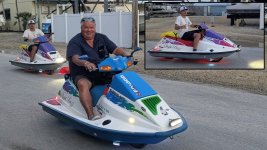
Although I had passed through the Florida Keys with family years ago, this time I wanted to slow everything down and really see the islands. My first stop was Key Largo - the largest and northernmost of the chain, a thirty-three-mile-long fossilized coral reef long known as the Dive Capital of the World. Once home to the Calusa and Tequesta, it later became a center for ship salvaging, pineapples, and limes. I pulled into the American Legion Post 333 for an eight-dollar prime-rib dinner and found a small crowd admiring a pair of custom “Scoot-a-Doo” rigs - street-legal scooter-watercraft hybrids built by mounting a Jet Ski shell onto a scooter chassis. The owners grinned when they saw me taking pictures; one fired up the squirting tail just for fun. The rigs were pure Keys ingenuity - playful, practical, and completely at home on these narrow roads.
Over the next several days I eased southward, lingering in Tavernier and Islamorada before settling into Long Key State Park. Six weeks earlier I had picked up an annual Florida State Parks pass at the first gate I crossed; the modest fee has paid for itself many times over, opening doors to places that would otherwise cost a few dollars each. The park itself is made for simple pleasures - picnicking under the palms, a little beach time when the tide is right, and the easy Golden Orb Nature Trail that winds through the hammock. Early mornings and sunset hours are best for photography, the light soft and the breeze just strong enough to keep the bugs down. Florida built a giant Adirondack chair near the trailhead for visitors; a passerby walks beside it for scale and I snapped the obligatory picture. Afterward I walked the trail slowly, letting the warm sunlight and ocean air wash over me, grateful for another quiet stretch of road.

A day or so later I stopped at Curry Hammock State Park in Marathon. At just over a hundred acres it is one of the smaller parks in the chain, yet it holds a surprising amount of wildness - white-sand beach backed by dunes, grassy flats that disappear at high tide, and a quiet 1.5-mile nature trail that slips through mangrove tunnels and hammock. I spent the afternoon watching egrets and herons work the shallows while spotted eagle rays glided beneath the clear water. Kayaks and paddleboards are easy to rent, and the ranger-led tours are worth the time if you want to learn the hidden coves. The campground offers electric and water hookups, showers, and a peaceful no-frills feel that suits the whole overlanding rhythm. It is the kind of understated place that rewards you for slowing down.

The main picture is of the chickens that rule the Keys; the inset shows one of the many Caribbean land hermit crabs that share the same ground. I wake every morning to roosters crowing right outside the camper, usually around five, their calls carrying across the still water like an invitation to greet another day. The birds trace their bloodlines back to the jungle fowl the earliest settlers kept for eggs and meat; later Cuban migrants brought fighting cocks that were released when the sport was outlawed in the late 1970s. Today they roam free, protected by local sentiment and considered unofficial mascots. The hermit crabs - locally called Purple Pinchers or Soldier Crabs - are nearly as common, scavenging scraps and carrying borrowed shells that they trade like tenants swapping apartments.

One of the quiet benefits of the state park pass is that many of these places also have campgrounds with potable water, flush toilets, and hot showers. Some mornings I would pull up to the gate and simply ask the ranger where the day-use facilities were located; as long as I wasn’t trying to drive through the registered-camper loops they were happy to point the way. It is a small luxury after weeks on the road - standing under steady warm water, letting the salt and road dust rinse away while the palms sway overhead. The pass has turned what could have been a string of quick stops into something more generous, letting me linger.
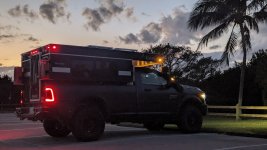
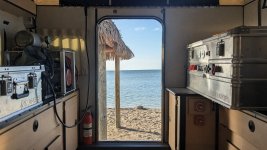
I study my maps often, and while preparing to leave Marathon I traced the long ribbon of the Seven Mile Bridge. A small island near the end caught my eye on the map - Veterans Memorial Beach. Despite what most people think, good beaches are rare in the Keys, so I woke early the next morning and headed down. It turned out to be a perfect little free stretch of sand and calm water. I spent the entire day there - rig parked near a picnic table with shade, venturing out for swims, fixing simple meals, and watching the light change across the water.
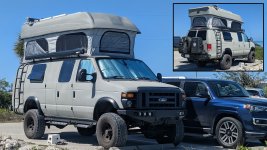
My Mark 1 Mod 0 eyes are calibrated to spot other overland rigs as I travel, and this one stopped me cold - a clean Ford E-Series 4x4 van built by Colorado Campervan. Years ago I had the chance to join three friends on the Washington Backcountry Discovery Route in identical Sportsmobiles fitted with Quigley 4x4 conversions. They were capable and fun, but the price tag was steep even then. I even toured the original Sportsmobile factory in Indiana once when I was seriously considering one. Seeing this van reminded me how personal these builds become - each one a rolling answer to the question of how we want to live on the road. Great-looking rig, and clearly well cared for.
If I could recommend only one park for anyone visiting the Keys it would be Bahia Honda State Park on Big Pine Key. The name itself - “deep bay” - comes from the unusually deep natural channel Spanish explorers noted here in the late 1500s. The park offers palm-lined beaches with gin-clear water, the historic Old Bahia Honda Bridge trail for walking, kayaks and snorkel gear for rent, and some of the best sunset views in the chain. For such a modest entry fee the place gives you an astonishing amount - birding, paddling, shelling, and that constant soft trade wind that makes everything feel lighter. Camping reservations are snapped up nearly a year in advance; I was glad just to spend the day and carry the memory with me.

Sunset over the old Bahia Honda Railroad Bridge is one of those iconic images countless travelers have captured, and for good reason. Writers and artists have long fled to these islands to escape the noise and pressure of crowded places: Hemingway called it “the best place I’ve been any time, anywhere,” while Tennessee Williams spoke of its authentic frontier atmosphere and clear blue water. Politicians, musicians, and dreamers have all found the same thing here. Personally, I have slept on mountains, in forests, deserts, swamps, along rivers, lakes, and oceans, even on other islands - but there is nothing quite like the Keys. They ask you to slow down, breathe salt air, and remember that some places still feel like they were made for the soul.

Although I had passed through the Florida Keys with family years ago, this time I wanted to slow everything down and really see the islands. My first stop was Key Largo - the largest and northernmost of the chain, a thirty-three-mile-long fossilized coral reef long known as the Dive Capital of the World. Once home to the Calusa and Tequesta, it later became a center for ship salvaging, pineapples, and limes. I pulled into the American Legion Post 333 for an eight-dollar prime-rib dinner and found a small crowd admiring a pair of custom “Scoot-a-Doo” rigs - street-legal scooter-watercraft hybrids built by mounting a Jet Ski shell onto a scooter chassis. The owners grinned when they saw me taking pictures; one fired up the squirting tail just for fun. The rigs were pure Keys ingenuity - playful, practical, and completely at home on these narrow roads.
Over the next several days I eased southward, lingering in Tavernier and Islamorada before settling into Long Key State Park. Six weeks earlier I had picked up an annual Florida State Parks pass at the first gate I crossed; the modest fee has paid for itself many times over, opening doors to places that would otherwise cost a few dollars each. The park itself is made for simple pleasures - picnicking under the palms, a little beach time when the tide is right, and the easy Golden Orb Nature Trail that winds through the hammock. Early mornings and sunset hours are best for photography, the light soft and the breeze just strong enough to keep the bugs down. Florida built a giant Adirondack chair near the trailhead for visitors; a passerby walks beside it for scale and I snapped the obligatory picture. Afterward I walked the trail slowly, letting the warm sunlight and ocean air wash over me, grateful for another quiet stretch of road.
A day or so later I stopped at Curry Hammock State Park in Marathon. At just over a hundred acres it is one of the smaller parks in the chain, yet it holds a surprising amount of wildness - white-sand beach backed by dunes, grassy flats that disappear at high tide, and a quiet 1.5-mile nature trail that slips through mangrove tunnels and hammock. I spent the afternoon watching egrets and herons work the shallows while spotted eagle rays glided beneath the clear water. Kayaks and paddleboards are easy to rent, and the ranger-led tours are worth the time if you want to learn the hidden coves. The campground offers electric and water hookups, showers, and a peaceful no-frills feel that suits the whole overlanding rhythm. It is the kind of understated place that rewards you for slowing down.
The main picture is of the chickens that rule the Keys; the inset shows one of the many Caribbean land hermit crabs that share the same ground. I wake every morning to roosters crowing right outside the camper, usually around five, their calls carrying across the still water like an invitation to greet another day. The birds trace their bloodlines back to the jungle fowl the earliest settlers kept for eggs and meat; later Cuban migrants brought fighting cocks that were released when the sport was outlawed in the late 1970s. Today they roam free, protected by local sentiment and considered unofficial mascots. The hermit crabs - locally called Purple Pinchers or Soldier Crabs - are nearly as common, scavenging scraps and carrying borrowed shells that they trade like tenants swapping apartments.
One of the quiet benefits of the state park pass is that many of these places also have campgrounds with potable water, flush toilets, and hot showers. Some mornings I would pull up to the gate and simply ask the ranger where the day-use facilities were located; as long as I wasn’t trying to drive through the registered-camper loops they were happy to point the way. It is a small luxury after weeks on the road - standing under steady warm water, letting the salt and road dust rinse away while the palms sway overhead. The pass has turned what could have been a string of quick stops into something more generous, letting me linger.
I study my maps often, and while preparing to leave Marathon I traced the long ribbon of the Seven Mile Bridge. A small island near the end caught my eye on the map - Veterans Memorial Beach. Despite what most people think, good beaches are rare in the Keys, so I woke early the next morning and headed down. It turned out to be a perfect little free stretch of sand and calm water. I spent the entire day there - rig parked near a picnic table with shade, venturing out for swims, fixing simple meals, and watching the light change across the water.
My Mark 1 Mod 0 eyes are calibrated to spot other overland rigs as I travel, and this one stopped me cold - a clean Ford E-Series 4x4 van built by Colorado Campervan. Years ago I had the chance to join three friends on the Washington Backcountry Discovery Route in identical Sportsmobiles fitted with Quigley 4x4 conversions. They were capable and fun, but the price tag was steep even then. I even toured the original Sportsmobile factory in Indiana once when I was seriously considering one. Seeing this van reminded me how personal these builds become - each one a rolling answer to the question of how we want to live on the road. Great-looking rig, and clearly well cared for.
If I could recommend only one park for anyone visiting the Keys it would be Bahia Honda State Park on Big Pine Key. The name itself - “deep bay” - comes from the unusually deep natural channel Spanish explorers noted here in the late 1500s. The park offers palm-lined beaches with gin-clear water, the historic Old Bahia Honda Bridge trail for walking, kayaks and snorkel gear for rent, and some of the best sunset views in the chain. For such a modest entry fee the place gives you an astonishing amount - birding, paddling, shelling, and that constant soft trade wind that makes everything feel lighter. Camping reservations are snapped up nearly a year in advance; I was glad just to spend the day and carry the memory with me.
Sunset over the old Bahia Honda Railroad Bridge is one of those iconic images countless travelers have captured, and for good reason. Writers and artists have long fled to these islands to escape the noise and pressure of crowded places: Hemingway called it “the best place I’ve been any time, anywhere,” while Tennessee Williams spoke of its authentic frontier atmosphere and clear blue water. Politicians, musicians, and dreamers have all found the same thing here. Personally, I have slept on mountains, in forests, deserts, swamps, along rivers, lakes, and oceans, even on other islands - but there is nothing quite like the Keys. They ask you to slow down, breathe salt air, and remember that some places still feel like they were made for the soul.
Last edited:
ramblinChet
Drinks Alone
- Messages
- 653
- Reaction score
- 3,134
- Points
- 93
Solar System Monthly Validation Report – March 2026
This report presents the system validation and verification results for my solar power system and battery bank after 213 days of off-grid travel. The sole power source consisted of two 250-watt solar panels (Rich Solar) connected to a solar charge controller (SmartSolar MPPT 100/30) and a 200 Ah battery bank (two LiTime 12V 100Ah Group 24 Deep Cycle LiFePO4 batteries). Neither the AC-DC charger (Blue Smart IP22 Charger 12V-30A) nor the DC-DC charger (Orion XS 12/12-50A) was used during this period. The objective was to evaluate the adequacy of the solar system and battery bank capacity to support off-grid travel demands.
System validation and verification for a vehicle’s solar-based electrical system involves confirming that the setup meets design specifications and performs reliably under anticipated operating conditions. Validation ensures the system addresses the intended purpose (e.g., providing consistent power for off-grid requirements), while verification confirms proper integration and functionality of components. This process is critical for my setup, where approximately 50% of operation occurs under forest canopy (reducing solar input) and 50% in semi-open areas with partial sunlight, enabling early identification of inefficiencies.
The histogram of maximum daily SOC over the most recent 31 days (March) shows values ranging from 86% to 100%, with 30 days between 90% and 100%. Full charge (100% SOC) was often reached before noon. These results confirm adequate solar capacity under March conditions. Performance will continue to improve in April and May as insolation increases. The system met and exceeded the design objective of providing at least seven days of autonomy using solar alone, sustaining operation for the full 213 days.

The histogram of minimum daily SOC for the same period ranges from 70% to 92%, with 23 days between 80% and 90%. Minimums typically occurred just before sunrise. The design target was to keep SOC above 25% under normal use; the lowest recorded value of 70% (with all others higher) indicates strong margin and reliable performance.

The screenshot below, captured from the Victron Energy solar charge controller, displays the energy collected by the system over the past 31 days. The white portion of each column represents the percentage of time spent in Bulk charge mode, while light blue indicates the Absorption phase and medium blue denotes the Float phase. The data shows that the system reached the Float phase on 97% of the days. This indicates that the system was fully charged effectively the entire time.
Note: I apologize for the delay - I took this measurement a few days late and unfortunately missed the first few days of March. My power system has proven to be so robust and reliable that I rarely even check on it anymore.
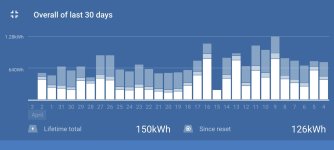
This data is associated with the chart above. I attempted to attach the CSV file to this post for further review but the uploaded file does not have an allowed extension.

If you spot any errors in the report, please let me know with specifics. For questions, check my build/travel thread for answers and picture or simply ask here. Thank you.
ramblinChet
Drinks Alone
- Messages
- 653
- Reaction score
- 3,134
- Points
- 93
This type of detailed precise real-life data, coupled with your explanations as to your component selection and how you use your rig are just outstanding. A solid contribution for those working/living life on the road/trail or putting together a rig.
The statement "My power system has proven to be so robust and reliable that I rarely even check on it anymore." is really one of the BEST DESTINATIONS IN OVERLANDING! These posts can help others get there.
Thanks, Frank - I really appreciate you taking the time to reply. And a big thank you to everyone else who follows along, reads the updates, and chimes in with questions or encouragement. It means a lot.
My main goal with these posts has always been to share straightforward, real-world data and honest explanations drawn from actual full-time use, so others can make better-informed decisions for their own builds and travels. When I was in the design phase, the only information I could easily find came from professional content creators. I’ve met quite a few of them at major overland events over the years, and I respect the high-production, entertaining videos they produce. That said, they’re rarely the ones you’ll encounter out on the trail itself - most of their footage comes from short, planned outings rather than year-round, day-in-day-out living on the road.
Many operate under formal sponsorship or review agreements with manufacturers. These contracts commonly include compensation such as cash payments, affiliate commissions, free or heavily discounted gear, or performance bonuses tied to views/sales. They often feature strict guidelines on messaging, pre-approval of scripts or final videos by the brand, exclusivity clauses, and restrictions on what can or cannot be said. Even when creators intend to be accurate, the principle of reciprocity triggers an unconscious sense of obligation to “return the favor,” leading them to downplay negatives, amplify positives, or soften criticism. The result is content that feels overly enthusiastic, even if unintentionally.
Just yesterday I watched a review from a genuinely nice guy I met at an event. He used all the usual hype lines while filming slow-motion coffee pours and weekend Hipcamp setups. At best, he’s driving out to camp maybe once a week, setting up in the evening, and heading home early the next day - sometimes only 12-18 hours at a paid campsite. Yet the videos give the strong impression of constant adventure, even though he holds a full-time job like most.

For what it's worth, I buy every single piece of gear at full price and never enter into any kind of deal or promotion agreement. I usually don't even mention equipment until I've lived with it daily for months (or years). Right now I'm typing this from inside the camper, still relying on the same power system that's become so reliable I rarely even check on it anymore.
Ultimately, I'd like to help shift the kind of information that reaches everyday overlanders. No skin in the game, everything purchased outright, and happy to share it all for free.
On a related note, Victron Energy recently reached out and asked to feature the energy system I designed and built. They'd been quietly following the build thread and liked the documented real-world results. They used my existing published data and photos (just asked for high-res versions), let me review the article for accuracy before it went live, and included a bit about me as well.
Thanks again for the kind words, everyone. Safe travels out there.


G Mcpherson
Well-Known Member
Great Stuff for Sure! Always enjoy the Adventures along with History.
ramblinChet
Drinks Alone
- Messages
- 653
- Reaction score
- 3,134
- Points
- 93
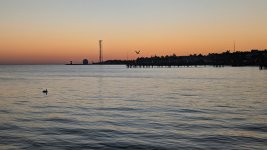
I stood alone out on Higgs Pier as the sun dropped low to the west, the sky softening into those familiar Key West pastels. The water lay glass-calm, barely a ripple showing it was still moving, while a few pelicans and gulls cut across every so often to remind me time kept marching on. In the distance I could hear live music drifting from the bars and the easy laughter of folks making fresh memories, but right there it was just me, the pier, and the quiet. My mind kept drifting back to the first time I came here with my younger brother and our late father - the three of us taking it all in together. Being back felt peaceful, like closing a small circle.
This shot shows the simple painted monument that marks the Southernmost Point in the continental United States, just ninety miles from Cuba. The current buoy-style marker has been here since the early eighties after the original concrete one kept disappearing. It’s become one of those icons that still draws a steady line of visitors despite the crowds. I remember standing right here with my brother and dad years ago, the three of us grinning for the camera like every other family that’s made the trip. I wonder how many millions of photos have been taken at this exact spot - some saved and rarely looked at again, others shared once and quietly forgotten. A painted concrete post ends up holding more stories than you’d expect.

When my younger brother heard I was back in Key West he called with a quick challenge: find the place where we had the Cuban sandwich with Dad. I had a rough picture of the building and the general area, but the name and exact spot had slipped away. After a few days of driving around I spotted it out of the corner of my eye - Kim’s Kuban. The moment I saw the sign, everything flashed back: which side the door was on, where we parked that day, even the layout inside. I pulled in smiling, ordered a Cubano, and sat out front eating half for me and half in honor of Dad and my brother. The taste brought the years right back, and I sat there with heavy eyes and a big grin.

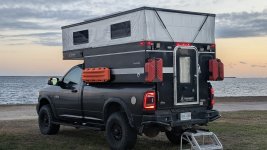
This picture is me set up dry-camping at Naval Air Station Key West. Boondocking out in public on the island is basically off-limits and they enforce it strictly, so I arranged ahead of time to stay on base for forty dollars a night - an absolute bargain when private spots around here run eighty to a hundred-fifty or more. If you’re active duty, retired, or have base access and you’re headed this way, it’s worth planning ahead and booking months out. The sites stay busy from October through December and are usually full January into March once the snowbirds roll south. My favorite part was the people. My neighbor was a squared-away retired Command Sergeant Major, and we spent several calm evenings sitting outside watching the sun slip into the water while swapping service stories. He had some good ones, and I mostly listened. When it was time to pull out we shook hands and both said we hoped our paths would cross again someday.
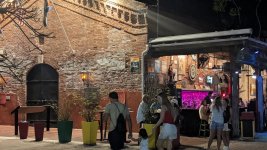
The shows the outside of the Grand Cafe on a lively evening, tables full of people enjoying dinner while the energy of Duval Street hummed around them. Duval is the main artery of Key West - narrow sidewalks lined with bars, shops, and restaurants that spill out into the night. You’ve got classics like Sloppy Joe’s with its Hemingway connection, the Green Parrot for nonstop live music, and plenty of open-air seafood spots where folks linger over rum drinks and watch the crowd. It’s the kind of street that keeps the island feeling alive well after dark.

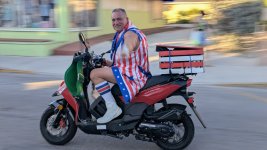
This action shot catches a guy dressed like Rocky Balboa scooting down Duval, blasting the Rocky theme song for everyone to hear. Key West runs on a unique kind of energy - people come here to drop their guard, cut loose, and build memories that push back against the usual grind. In a small east-coast way it reminds me of Las Vegas, but with salt air, scooters, and flip-flops. I couldn’t help smiling as this character zig-zagged through traffic, waving and cheering like it was his own parade. The street performers add to it all: the guy who sets up a full drum kit in the back of his van and plays along to whatever is pumping, fire dancers, living statues, and more. For a few days the normal rules feel happily suspended.
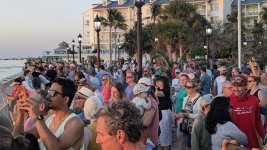
Here's the crowd gathered at Mallory Square one evening for the daily sunset celebration. There’s something timeless about people coming together at this spot to watch the sun drop into the sea - street performers working the crowd, sailboats gliding past in the harbor, music on the breeze, and the sky doing its show. Everyone seemed genuinely happy, clapping and cheering as the light faded. Then, an hour or so later, the square would empty out and go quiet again, leaving only the gentle sound of water and a few lingering locals. It’s a reminder of how these shared moments pull strangers together before life spreads everyone back out.
The older brick building in this picture houses El Mesón de Pepe’s Restaurant & Bar, Abuela’s Bodega gift shop, and a few other spots right along Mallory Square. The structure dates back to 1879 as a warehouse built by descendants of early settlers. The connection between Key West and Cuba runs deep - more than 175 years of close ties, culturally and economically. Cuban fishermen began settling here in the 1830s, bringing their boats and their cooking. Their seasoned but not overly spicy food, heavy on garlic, onions, and familiar spices, quickly shaped what people ate on the island. El Mesón de Pepe has carried that flavor forward since the mid-eighties, first on Duval and then here at Mallory Square, serving as a living piece of that shared history.
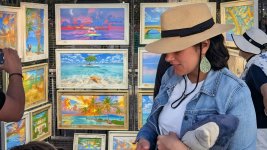
This is one of the many art vendors set up around Key West, part of the steady mix of painters, photographers, and craftspeople displaying their work. The island has several established galleries too - places like Gingerbread Square or the Studios of Key West, often tucked along Duval or side streets. A lot of the art here feels rooted in the place itself: bright tropical scenes, conch houses, sunsets over the water, and plenty of local character rather than the more abstract or polished pieces you sometimes see on the mainland. I didn’t spend a lot of time browsing, but a few traditional pieces did catch my eye. I tend to lean toward realistic landscapes and grounded work over the heavier contemporary side.
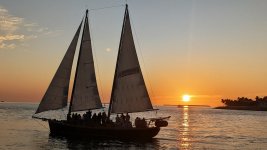
I made my way back to Mallory Square as the sun was slipping away, and this picture shows one of the beautiful boats sailing off into the last light with a deck full of happy people. As the crowd began to thin I noticed a man standing a few feet away, quietly watching those final moments as the sun disappeared below the horizon. For a short while everything felt still. Something prompted me to speak up and start a conversation. He seemed to be the only other person there on his own. After a few minutes it became clear something heavy was weighing on him. After a long quiet stretch I asked why he was really in Key West. That opened the floodgates. He told me this had been his wife’s favorite vacation spot - they had watched the sunset here together countless times. She had passed unexpectedly five years earlier, and he never thought he’d be able to return. I mostly listened as he shared the memories, tears running down his face even while he smiled and laughed. It struck me how much a stranger will open up when the moment feels right. We shook hands, hugged, laughed some more, and I promised I’d pray the Rosary for his wife that night when I turned in. He grinned from ear to ear and said he finally understood why he had felt pulled to come back after all these years - it was so we could meet. I told him I felt the same. In that moment my time in the Keys felt complete. I hadn’t known exactly what I was looking for when I started the drive down, but standing there I was reminded that sometimes we’re placed where we’re needed most. As men we’re called to serve in the quiet ways too - listening, encouraging, and keeping our focus on what truly lasts beyond the distractions.
This shot shows the simple painted monument that marks the Southernmost Point in the continental United States, just ninety miles from Cuba. The current buoy-style marker has been here since the early eighties after the original concrete one kept disappearing. It’s become one of those icons that still draws a steady line of visitors despite the crowds. I remember standing right here with my brother and dad years ago, the three of us grinning for the camera like every other family that’s made the trip. I wonder how many millions of photos have been taken at this exact spot - some saved and rarely looked at again, others shared once and quietly forgotten. A painted concrete post ends up holding more stories than you’d expect.
When my younger brother heard I was back in Key West he called with a quick challenge: find the place where we had the Cuban sandwich with Dad. I had a rough picture of the building and the general area, but the name and exact spot had slipped away. After a few days of driving around I spotted it out of the corner of my eye - Kim’s Kuban. The moment I saw the sign, everything flashed back: which side the door was on, where we parked that day, even the layout inside. I pulled in smiling, ordered a Cubano, and sat out front eating half for me and half in honor of Dad and my brother. The taste brought the years right back, and I sat there with heavy eyes and a big grin.
This picture is me set up dry-camping at Naval Air Station Key West. Boondocking out in public on the island is basically off-limits and they enforce it strictly, so I arranged ahead of time to stay on base for forty dollars a night - an absolute bargain when private spots around here run eighty to a hundred-fifty or more. If you’re active duty, retired, or have base access and you’re headed this way, it’s worth planning ahead and booking months out. The sites stay busy from October through December and are usually full January into March once the snowbirds roll south. My favorite part was the people. My neighbor was a squared-away retired Command Sergeant Major, and we spent several calm evenings sitting outside watching the sun slip into the water while swapping service stories. He had some good ones, and I mostly listened. When it was time to pull out we shook hands and both said we hoped our paths would cross again someday.
The shows the outside of the Grand Cafe on a lively evening, tables full of people enjoying dinner while the energy of Duval Street hummed around them. Duval is the main artery of Key West - narrow sidewalks lined with bars, shops, and restaurants that spill out into the night. You’ve got classics like Sloppy Joe’s with its Hemingway connection, the Green Parrot for nonstop live music, and plenty of open-air seafood spots where folks linger over rum drinks and watch the crowd. It’s the kind of street that keeps the island feeling alive well after dark.
This action shot catches a guy dressed like Rocky Balboa scooting down Duval, blasting the Rocky theme song for everyone to hear. Key West runs on a unique kind of energy - people come here to drop their guard, cut loose, and build memories that push back against the usual grind. In a small east-coast way it reminds me of Las Vegas, but with salt air, scooters, and flip-flops. I couldn’t help smiling as this character zig-zagged through traffic, waving and cheering like it was his own parade. The street performers add to it all: the guy who sets up a full drum kit in the back of his van and plays along to whatever is pumping, fire dancers, living statues, and more. For a few days the normal rules feel happily suspended.
Here's the crowd gathered at Mallory Square one evening for the daily sunset celebration. There’s something timeless about people coming together at this spot to watch the sun drop into the sea - street performers working the crowd, sailboats gliding past in the harbor, music on the breeze, and the sky doing its show. Everyone seemed genuinely happy, clapping and cheering as the light faded. Then, an hour or so later, the square would empty out and go quiet again, leaving only the gentle sound of water and a few lingering locals. It’s a reminder of how these shared moments pull strangers together before life spreads everyone back out.
The older brick building in this picture houses El Mesón de Pepe’s Restaurant & Bar, Abuela’s Bodega gift shop, and a few other spots right along Mallory Square. The structure dates back to 1879 as a warehouse built by descendants of early settlers. The connection between Key West and Cuba runs deep - more than 175 years of close ties, culturally and economically. Cuban fishermen began settling here in the 1830s, bringing their boats and their cooking. Their seasoned but not overly spicy food, heavy on garlic, onions, and familiar spices, quickly shaped what people ate on the island. El Mesón de Pepe has carried that flavor forward since the mid-eighties, first on Duval and then here at Mallory Square, serving as a living piece of that shared history.
This is one of the many art vendors set up around Key West, part of the steady mix of painters, photographers, and craftspeople displaying their work. The island has several established galleries too - places like Gingerbread Square or the Studios of Key West, often tucked along Duval or side streets. A lot of the art here feels rooted in the place itself: bright tropical scenes, conch houses, sunsets over the water, and plenty of local character rather than the more abstract or polished pieces you sometimes see on the mainland. I didn’t spend a lot of time browsing, but a few traditional pieces did catch my eye. I tend to lean toward realistic landscapes and grounded work over the heavier contemporary side.
I made my way back to Mallory Square as the sun was slipping away, and this picture shows one of the beautiful boats sailing off into the last light with a deck full of happy people. As the crowd began to thin I noticed a man standing a few feet away, quietly watching those final moments as the sun disappeared below the horizon. For a short while everything felt still. Something prompted me to speak up and start a conversation. He seemed to be the only other person there on his own. After a few minutes it became clear something heavy was weighing on him. After a long quiet stretch I asked why he was really in Key West. That opened the floodgates. He told me this had been his wife’s favorite vacation spot - they had watched the sunset here together countless times. She had passed unexpectedly five years earlier, and he never thought he’d be able to return. I mostly listened as he shared the memories, tears running down his face even while he smiled and laughed. It struck me how much a stranger will open up when the moment feels right. We shook hands, hugged, laughed some more, and I promised I’d pray the Rosary for his wife that night when I turned in. He grinned from ear to ear and said he finally understood why he had felt pulled to come back after all these years - it was so we could meet. I told him I felt the same. In that moment my time in the Keys felt complete. I hadn’t known exactly what I was looking for when I started the drive down, but standing there I was reminded that sometimes we’re placed where we’re needed most. As men we’re called to serve in the quiet ways too - listening, encouraging, and keeping our focus on what truly lasts beyond the distractions.