The octane number in fuel is simply a resistance to detonation. Marketing names like "mid grade" and "premium" are just that, marketing. It's not any cleaner or pure. The compression ratio and timing of an engine will dictate what octane it needs to resist knock (pre-detonation of fuel). Altitude and the lack of oxygen will naturally lessen the pre-detonation points. That's why you'll see octane as low as 85 in Colorado, but at 1,000ft Phoenix the lowest is 87.
On modern vehicles there are knock sensors in the engine as well as low octane timing tables. If the engine detects knock it will switch it on to a lower timing table to prevent damage. This is how the fuel door label on performance cars went from "Premium Required" to "Premium Recommended". To get the full power out of a performance or higher compression engine, you'll need to use a higher octane rating so it doesn't knock and switch to the low octane timing table. Also, since higher octane fuel burns slower, that's where the better MPG comes from.
I'm not sure the specifics of the 6.4L engine and what compression and performance level it's built for, but if it's over 10.0:1 compression ratio and you want maximum power, consider the higher octane ratio. That said, people putting 91 in their Chevy Cavalier because they think its "premium" are wasting their money.


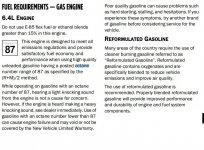

 , I'm impressed. I would just stick with 87 personally. If it was my truck and I was under warranty, I would follow the manufactures guidelines