Interesting discussion.
I have been doing some research and have found what seem to be reliable sources that indicate the draw is 250 amps peak and around 200 amps once the grid temperature stabalizes.
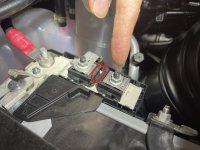
The fact that it can cause a fire whilie "off" suggests that the issue is an internal failure in the relay that allows formation of a current path even when the relay is not energized. What happens then is the two on board batteries attempt to supply infinite current instantaneously . A good outcome in that case is the thermal causes an interruption in the current path and the event ends. Worst case is it continues long enough ignite combustaqble material in the area. I had a battery cable on my trailer short to ground and it created a fire in the insulation that required application of an extinguisher to get under control as well as interruption of the current path. In the engine bay of the truck, there are a number of fuel sources for an electrical fire that can spread quickly.
My truck is July 19 21 build and I have an appointment to have the recall done in about a week. Probably they will take the relay temperature and verify that there is nothing obviously amiss and send me on my way.
It seems like long term the answer is to replace the grid heater with a throttle body heater.
I have a smart switching device on my block heater and dual battery heaters. I think I will add a heater blanket for the intake so when the truck is cold soaked, it will not feel the need to turn on the grid heater for an extended eriod of time.
I enjoyed a video of a grid heater delete yesterday. AFter 70k miles the intake side of the grid heater looked like the firebox on a steam locomotive that has gone too long between cleanings. Really ugly. Not liking that.